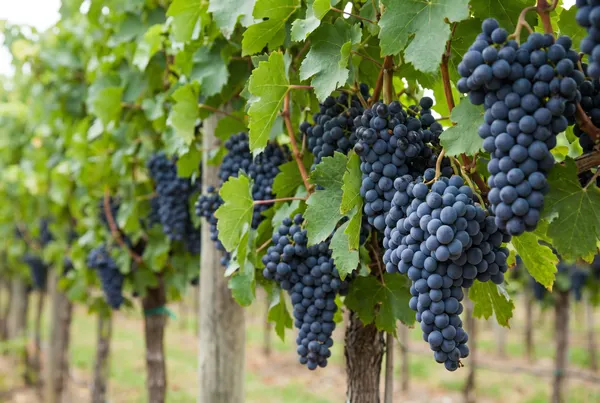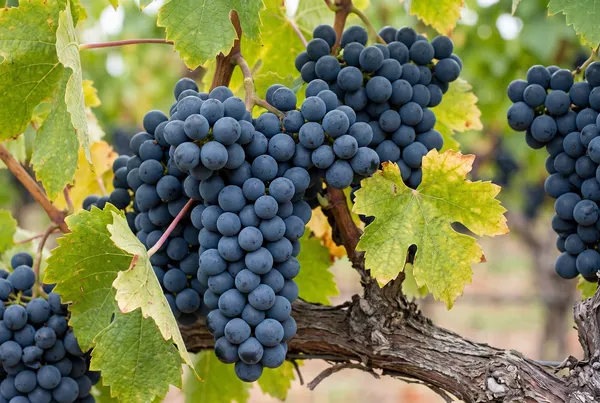

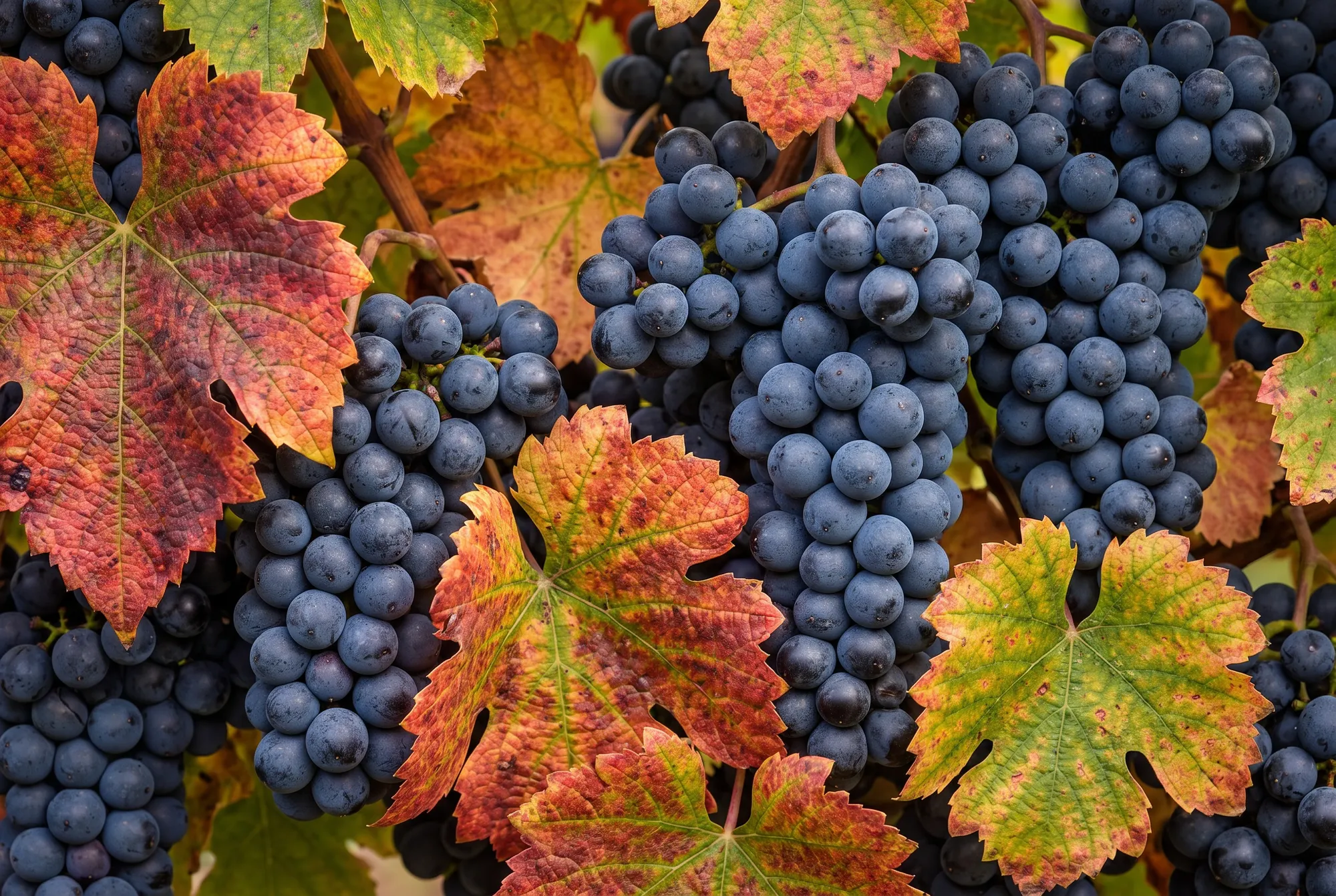
One of the rare grapes with red flesh, bred to deepen the color of other wines.
At a Glance
Cut open almost any red wine grape and the juice runs clear; the color lives only in the skin. Alicante Bouschet is different. Its flesh is red, so its juice is red. Grapes like this are called teinturier, French for “dyer.” It was created in 19th-century France to pump color into pale blends, spent decades as an anonymous workhorse, and found real quality only later, in southern Portugal. It is one of only a handful of red-fleshed grapes within Vitis vinifera, the species behind almost all fine wine.
Color: Black (red-fleshed teinturier)
Also known as: Garnacha Tintorera (in Spain); Alicante Henri Bouschet
Origin: Bred in the Hérault, southern France, in the 1860s
Grows best in: Alentejo, Portugal; also Castilla-La Mancha, Spain; southern France
Signature flavors: Blackberry, black plum, dark cherry, with a wild herbal, savory edge
Body & style: Flat, anonymous bulk blender, through to dense, structured, age-worthy reds
What It Tastes Like
The first thing Alicante Bouschet does is stain. The wine is nearly opaque, purple-black, because the color comes from the pulp as well as the skin. Expect blackberry, black plum, and dark cherry, and in the better versions a wild, savory, almost bramble-and-dried-herb note.
Quality swings hard with how and where it is grown. Cropped high as a bulk grape, it makes deeply colored but flat wine, long on color and short on interest. Given low yields, sun, and care, above all in Portugal's Alentejo, it makes dense, powerful reds with real personality and the tannin (the drying, grippy compound in skins and seeds) to age. Its coloring power is extreme, and a little in a blend goes a long way, which is exactly why it was bred.
How to tell it apart: the giveaway is literal. If you can see the winemaking, a crushed berry or the raw juice runs red, not clear, which almost no other Vitis vinifera grape does. In the glass, people confuse it with other big dark reds, but its parent Grenache is paler and spicier, while Alicante is darker and more brooding. Cut a berry, and the stain on your fingers is the same one it leaves in the glass. Most of what gets made is dull; the Alentejo bottlings are the only ones worth chasing.
Where It Grows
France made it, but Portugal gave it a home. In the Alentejo, the hot dry south, it was planted at estates like Herdade do Mouchão before 1900 and has become a prized variety, capable of expensive single-variety reds, often with a little Trincadeira blended in. Those wines are dense and long-lived, and they overturned the grape's dull blending reputation.
Spain grows the most of it, as Garnacha Tintorera, largely in central Castilla-La Mancha and in Galicia, where it ranked among the top red grapes with over 22,000 hectares (about 55,000 acres) as of 2015. Worldwide plantings ran to roughly 39,000 hectares (about 96,000 acres) around 2010, most of it Spanish. In southern France, its birthplace, plantings have fallen for decades, and most of what remains disappears into anonymous blends.
In the Vineyard and Cellar
Alicante Bouschet is vigorous, high-yielding, and thick-skinned, which is why it took off after the phylloxera louse (a root-feeding pest) devastated Europe's vineyards in the late 1800s: it was easy to grow and gave instant color. That same ease is its curse, since high yields make dilute wine. It buds and ripens fairly early. The winemaker's real decision is restraint: hold the crop down and the wine gains depth and structure; let it run and you get colored water. Time in barrel and bottle rewards the best examples with savory complexity. Left unchecked it crops heavily, up to about 80 hectoliters per hectare, which is precisely the yield that drains its wine of character.
Reading the Label
From Portugal and France the label reads Alicante Bouschet. From Spain, expect Garnacha Tintorera. On US wine a varietal label needs 75% of the grape, but you will rarely see it named here; its historical job is blending, adding color and body to lighter reds, and it often appears unnamed in inexpensive Iberian and southern-French reds. The bottles worth seeking out say Alentejo.
A Short History
Alicante Bouschet is a made grape. In the 1860s the French breeder Henri Bouschet crossed Grenache with Petit Bouschet, a red-fleshed variety his father Louis had created, to get deep color and decent quality in one vine. It spread fast after phylloxera and boomed in Prohibition-era America, then settled into its unlikely second life as a quality grape in the Alentejo.
Did You Know? During American Prohibition, Alicante Bouschet was shipped by the trainload to home winemakers back east. Its thick skin survived the journey, and its red flesh let bootleggers water the wine down without losing the deep color. It was the ideal grape for making booze at home.
At the Table
Serve it at 60 to 64°F (16 to 18°C). This is a red for protein and fat. Its tannin grips and wants meat: grilled lamb, beef, pork ribs, game, hearty stews, and rich Alentejo dishes like pork with clams. Big flavor needs big food, and a delicate plate gets steamrolled. The cheap bottlings are for drinking young and simply. The serious Alentejo single-variety wines can age a decade or more, trading their youthful density for a savory, leathery, dried-fruit complexity. A well-made Alentejo Alicante also holds up to smoke and char, a natural at a barbecue.
SOURCING & METHOD
Sourcing: origins,
parentage, and synonyms drawn from Robinson, Harding &
Vouillamoz, Wine Grapes (2012), the Vitis International Variety
Catalogue, and peer-reviewed parentage studies; planting figures from OIV, the
University of Adelaide winegrape database, national bodies, and Wine-Searcher,
each anchored to a stated year; regional detail from the relevant consortia and
D'Agata's Native Wine Grapes of Italy. Every fact was corroborated by at
least two independent sources.