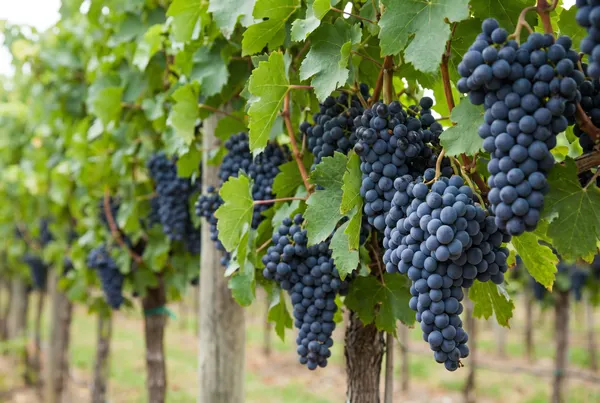

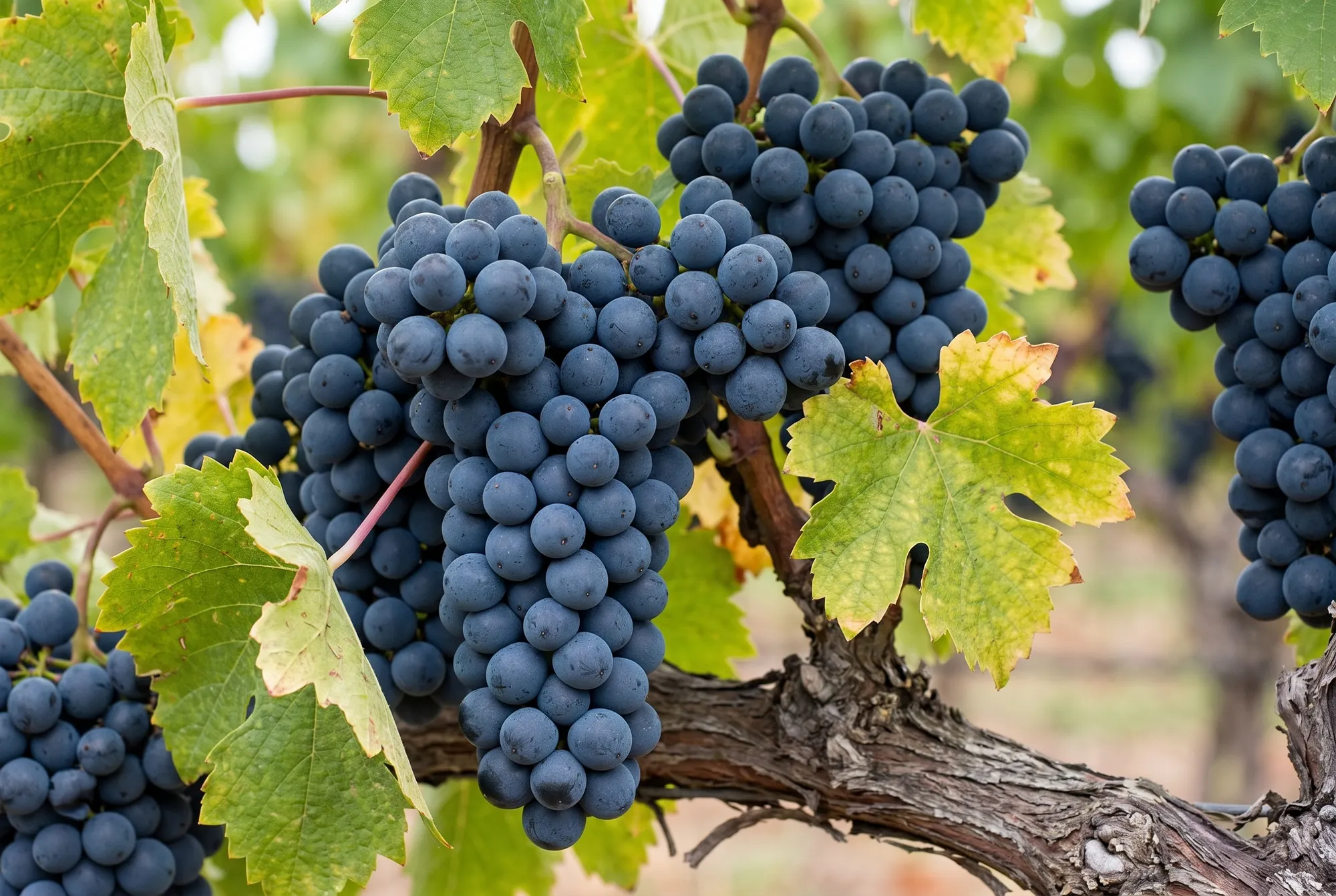
America’s signature red turned out to be a nearly extinct Croatian grape called Tribidrag.
At a Glance
Zinfandel is the grape Americans treat as their own, though it was born across the Atlantic. It makes big red wines, dark and high in alcohol, bursting with sweet fruit, and it also makes the pale pink White Zinfandel that outsells the red several times over. For decades nobody knew where it came from. DNA testing finally traced it to Croatia, where it is the same grape Italians grow as Primitivo.
Color: Black-skinned; makes red wine and pale pink “blush” wine
Also known as: Primitivo (Italy); Crljenak Kaštelanski and Tribidrag (Croatia); Kratošija (Montenegro); Pribidrag
Origin: Croatia’s Dalmatian coast, on the eastern Adriatic
Where it grows best: California (Lodi, Sonoma, Sierra Foothills, Paso Robles); Puglia, in southern Italy
Signature flavors: Blackberry, black cherry, raspberry jam, black pepper, licorice
Body & style: Pale off-dry rosé to dense, high-alcohol red; light and peppery to jammy and oaky
What It Tastes Like: Zinfandel leads with fruit. In cooler sites you’ll taste bright raspberry and strawberry. Push into warmer ground and the fruit turns to blackberry, black cherry, and plum, often with a jammy, cooked-fruit edge. A peppery snap and a streak of licorice or dried herb run underneath. The wine is usually full-bodied, meaning it feels weighty and rich in the mouth, with soft to firm tannins (the drying, grippy compounds from grape skins that make your gums pucker) and moderate acidity, the tart quality that makes your mouth water. Alcohol runs high, often above 15 percent, because the grape piles on sugar as it ripens and growers let it hang. Oak aging (time spent in wooden barrels) layers on vanilla, cedar, and sweet spice, and many California bottlings lean hard on it.
How to tell it apart: the usual confusion is with Grenache and with Zinfandel’s own Italian twin, Primitivo. Against Grenache, Zinfandel shows darker fruit, more black pepper, and a jammier core. Against Italian Primitivo, which is genetically the same grape, American Zinfandel is usually riper, more alcoholic, and sweeter in fruit, while Primitivo tends to be more restrained and a little earthy.
Where It Grows
California is Zinfandel’s adopted home, with about 38,000 acres (roughly 15,000 hectares) planted as of 2023. Old, gnarled vines, some over a century old and sold as “old vine” Zinfandel, cluster in Lodi, Sonoma’s Dry Creek Valley, the Sierra Foothills, and Paso Robles. Warm sun there gives the jammy, high-octane style most drinkers picture.
Puglia, the heel of Italy, grows the identical grape as Primitivo, its best-known zone being Primitivo di Manduria in the south. These wines tend to be dark and warm, with a savory, sun-baked edge and slightly firmer grip.
Croatia, the birthplace, grows only small amounts under the names Crljenak Kaštelanski and Tribidrag. Nearly wiped out by disease, the vine is being replanted along the Dalmatian coast, where it makes structured, savory reds closer to the European style than the Californian one.
In the Vineyard and Cellar
Zinfandel ripens unevenly, and that quirk shapes everything in the glass. A single cluster can hold shriveled, raisined berries next to green, unripe ones. Growers either wait for the laggards, which pushes sugar and therefore alcohol sky-high, or pick a mix and let the wine layer jammy and fresh flavors together. The bunches are tight, so they trap moisture and can rot in damp weather (bunch rot, a fungal spoilage). Thin skins keep tannin from getting harsh. Because the fruit gets so ripe, many producers blend in a splash of a sturdier grape such as Petite Sirah for backbone, or lean on oak to frame the sweetness.
Reading the Label
On an American shelf, “Zinfandel” means the red and “White Zinfandel” means the sweet pink one. A bottle labeled Primitivo is the same grape, grown in Italy. US law lets a wine carry a single grape’s name if that grape is at least 75 percent of the blend (a “varietal” wine), so a “Zinfandel” can legally include some Petite Sirah or other reds. In Croatia, look for Crljenak Kaštelanski or Tribidrag. Zinfandel seldom hides inside famous blends; it usually stands on its own, though it quietly anchors many inexpensive “red blend” bottlings.
A Short History
DNA work led by Carole Meredith at UC Davis, with Croatian scientists Ivan Pejić and Edi Maletić, cracked the mystery in 2001. Zinfandel, Primitivo, and Croatia’s Crljenak Kaštelanski are one variety, whose oldest recorded name, Tribidrag, appears in Dalmatia in 1444. The grape reached the United States around the 1820s and became a California staple. Its precise Adriatic cradle, whether Croatian or Montenegrin, is still debated.
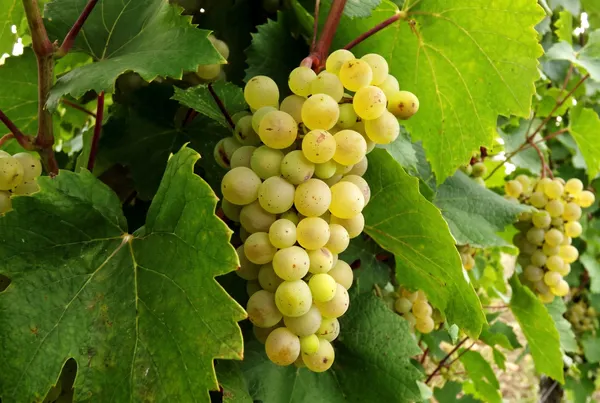
Did You Know? White Zinfandel was an accident. In the mid-1970s a batch of pink Zinfandel juice at Sutter Home in California stopped fermenting before its sugar was used up, leaving a sweet blush wine. It became a national craze — and the money it made helped save many of the old Zinfandel vines prized today.
At the Table
Zinfandel’s fruit and alcohol want bold, fatty, smoky food. Its moderate acidity and gentle tannins won’t fight a sticky barbecue sauce, so ribs, pulled pork, and burgers are natural partners. Grilled sausages, pizza, and aged cheddar work too, and the jammy warmth even handles mild chili heat. Serve red Zinfandel slightly below room temperature, around 60°F (16°C), so the high alcohol doesn’t turn hot and clumsy. Most bottles are built to drink young, within about five years, while the fruit is loud; serious old-vine wines from top sites can improve for a decade. White Zinfandel should be poured cold and drunk the summer it’s opened. American drinkers still underrate old-vine Zinfandel, mostly because the sweet pink stuff defined the name.
SOURCING & METHOD
Sourcing: origins, parentage, and synonyms drawn from Robinson, Harding & Vouillamoz, Wine Grapes (2012), the Vitis International Variety Catalogue, and peer-reviewed parentage studies; planting figures from OIV, the University of Adelaide winegrape database, national bodies, and Wine-Searcher, each anchored to a stated year; regional detail from the relevant consortia and D'Agata's Native Wine Grapes of Italy. Every fact was corroborated by at least two independent sources.