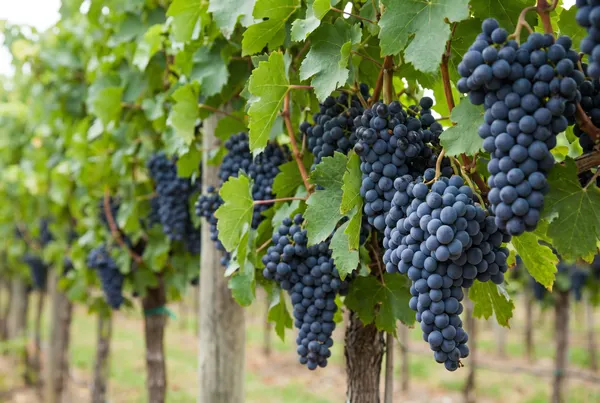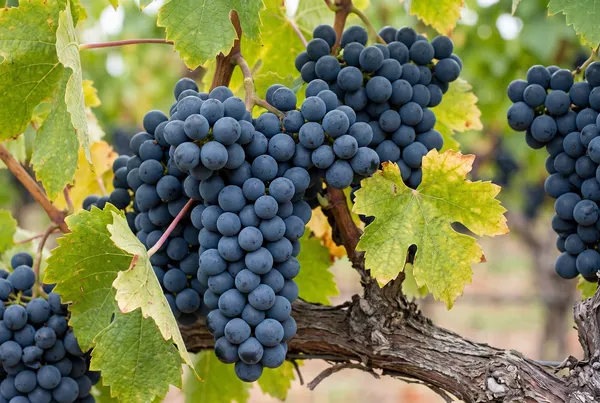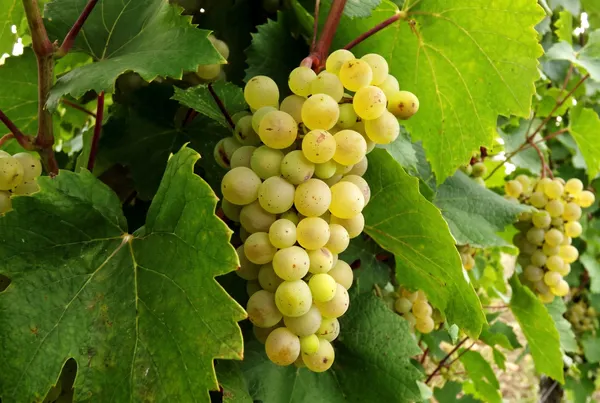


One grape makes bone-dry, sweet, and sparkling wine, and ages for decades in every form.
At a Glance
Chenin Blanc is a high-acid white grape from France’s Loire Valley, where it is also called Pineau de la Loire. In South Africa, its adopted home, it goes by Steen. No white grape shape-shifts like it. From the same variety you get bone-dry whites, off-dry and sweet wines, sparkling wine, and some of the longest-lived whites outside Germany. South Africa grows more of it than anywhere: roughly 40,000 to 46,000 acres (16,000 to 19,000 hectares), the figure sliding year to year as vines are pulled. Globally it covers around 79,000 acres (32,000 hectares) as of 2023.
Color: White
Also known as: Steen (South Africa), Pineau de la Loire (France)
Origin: Loire Valley, France (Anjou and Touraine)
Where it grows best: Vouvray, Savennières, Anjou (Loire); Stellenbosch, Swartland (South Africa)
Signature flavors: Quince, yellow apple, chamomile, honey, wet wool
Body & style spectrum: Lean and mineral to rich and sweet
What It Tastes Like
The constant in Chenin is high acidity, the sharp, mouth-watering quality that keeps even sweet versions from tasting cloying. Around it, everything moves. Cool Loire sites give quince, yellow apple, chamomile, and a chalky, wet-wool note. Warmer South African sites push toward ripe pear, yellow peach, and tropical fruit like pineapple and guava.
Winemaking widens the range further. Fermented dry and unoaked, Chenin is lean and mineral. Left with residual sugar, meaning natural grape sugar that is not fermented into alcohol, it runs off-dry to lusciously sweet. Aged in oak, it gains a creamy, nutty weight. It also makes excellent sparkling wine. Honey and lanolin, a waxy, wool-like note, build with bottle age, and top examples last for decades.
How to tell it apart: Chenin gets confused with Sauvignon Blanc and dry Riesling. Sauvignon Blanc is greener and more pungent, with grass and gooseberry. Riesling shows more lime, floral lift, and a petrol note. Chenin sits between them, with apple and quince, that wet-wool streak, and a waxy texture neither of the others has. High acid plus a slightly waxy body is the signature.
Where It Grows
Homeland: the Loire Valley, around Anjou and Touraine, with about 22,000 to 24,000 acres (9,000 to 9,800 hectares). Vouvray makes it in every style, from dry to sweet to sparkling. Savennières is austere and bone-dry, with a stony mineral edge. In Anjou, the Coteaux du Layon, Bonnezeaux, and Quarts de Chaume make sweet, botrytis-affected wines.
South Africa is the world’s largest grower by far. Long treated as a workhorse for brandy and bulk wine, Chenin has been reinvented over the past 25 years, especially in Stellenbosch and Swartland, where old bush vines give concentrated dry whites. California grows a little, mostly in the Central Valley for easy off-dry wine.
In the Vineyard and Cellar
Chenin buds early and ripens late and unevenly, so a single vine can carry ripe, underripe, and rot-touched grapes at once. That is a headache for uniform picking, and also the grape’s gift: growers make several passes through the vineyard, taking underripe fruit for sparkling wine, ripe fruit for dry, and shriveled or noble-rotted fruit for sweet. The thin skin welcomes noble rot, the sugar-concentrating mold, in the right conditions. Left too vigorous, Chenin makes bland, neutral wine, so good growers keep yields down.
Reading the Label
Names depend on the country. South Africa uses Chenin Blanc or Steen. France almost never prints the grape; you read the place instead. Vouvray, Savennières, Saumur, Anjou, and the sweet Coteaux du Layon are all Chenin. A key catch with Vouvray: the label may not state sweetness, so learn the terms sec (dry), demi-sec (off-dry), and moelleux (sweet). A US varietal Chenin needs at least 75% of the grape. Chenin is also a base wine for Crémant de Loire sparkling.
A Short History
DNA shows Chenin is an offspring of Savagnin, an old grape from the Jura, which makes it a relative of Sauvignon Blanc; the second parent has not been identified. It has grown in the Loire for over a thousand years. It reached South Africa in the 1650s with the first Cape vineyards, though growers there called it Steen and did not confirm it was Chenin until 1963.
Did you know? The first wine ever pressed at the Cape of Good Hope, in 1659, came from grapes recorded only as “steendruif.” Centuries later, ampelographers confirmed the mystery vine was Chenin Blanc. South Africa had been growing its future signature grape without knowing its name.
At the Table
Chenin’s acidity makes it as food-friendly as any white going; the trick is to match the wine’s sweetness to the dish. Dry Chenin loves oysters, goat cheese, roast chicken, and pork. Off-dry versions shine with spicy Thai, Vietnamese, or Sichuan food, where a touch of sugar cools the heat. Sweet Loire Chenin pairs with fruit tarts, blue cheese, or foie gras. The high acid also cuts through fried food and creamy sauces. Serve dry styles at 45–50°F (7–10°C). Simple Chenin drinks well young, while serious dry Savennières and sweet Layon can age twenty years or more. South African Chenin is the best value in the white-wine world right now.
SOURCING & METHOD
Sourcing: origins, parentage, and synonyms drawn from Robinson, Harding & Vouillamoz, Wine Grapes (2012), the Vitis International Variety Catalogue, and peer-reviewed parentage studies; planting figures from OIV, the University of Adelaide winegrape database, national bodies, and Wine-Searcher, each anchored to a stated year; regional detail from the relevant consortia and D'Agata's Native Wine Grapes of Italy. Every fact was corroborated by at least two independent sources