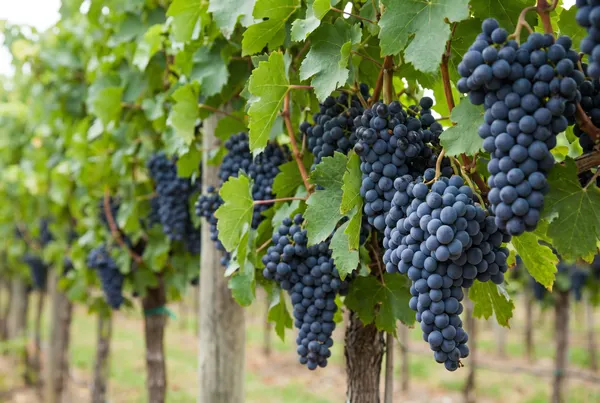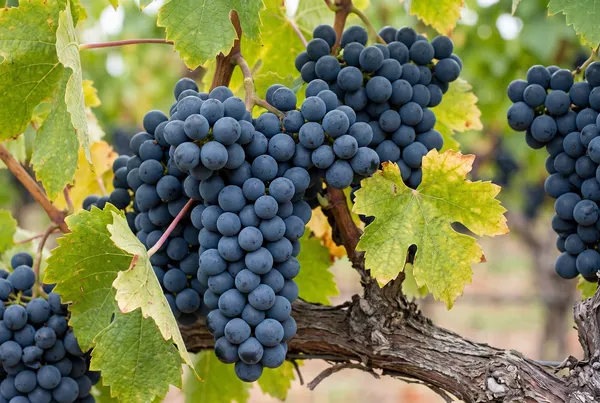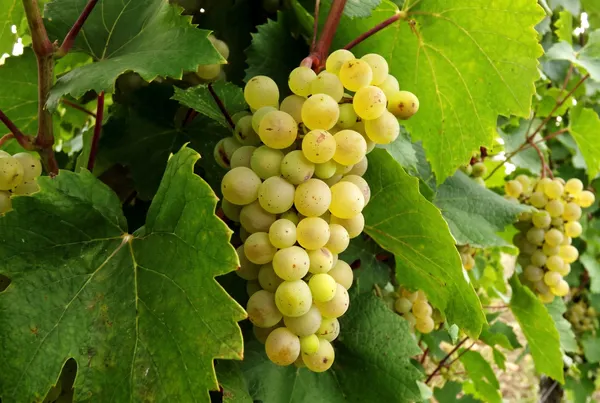

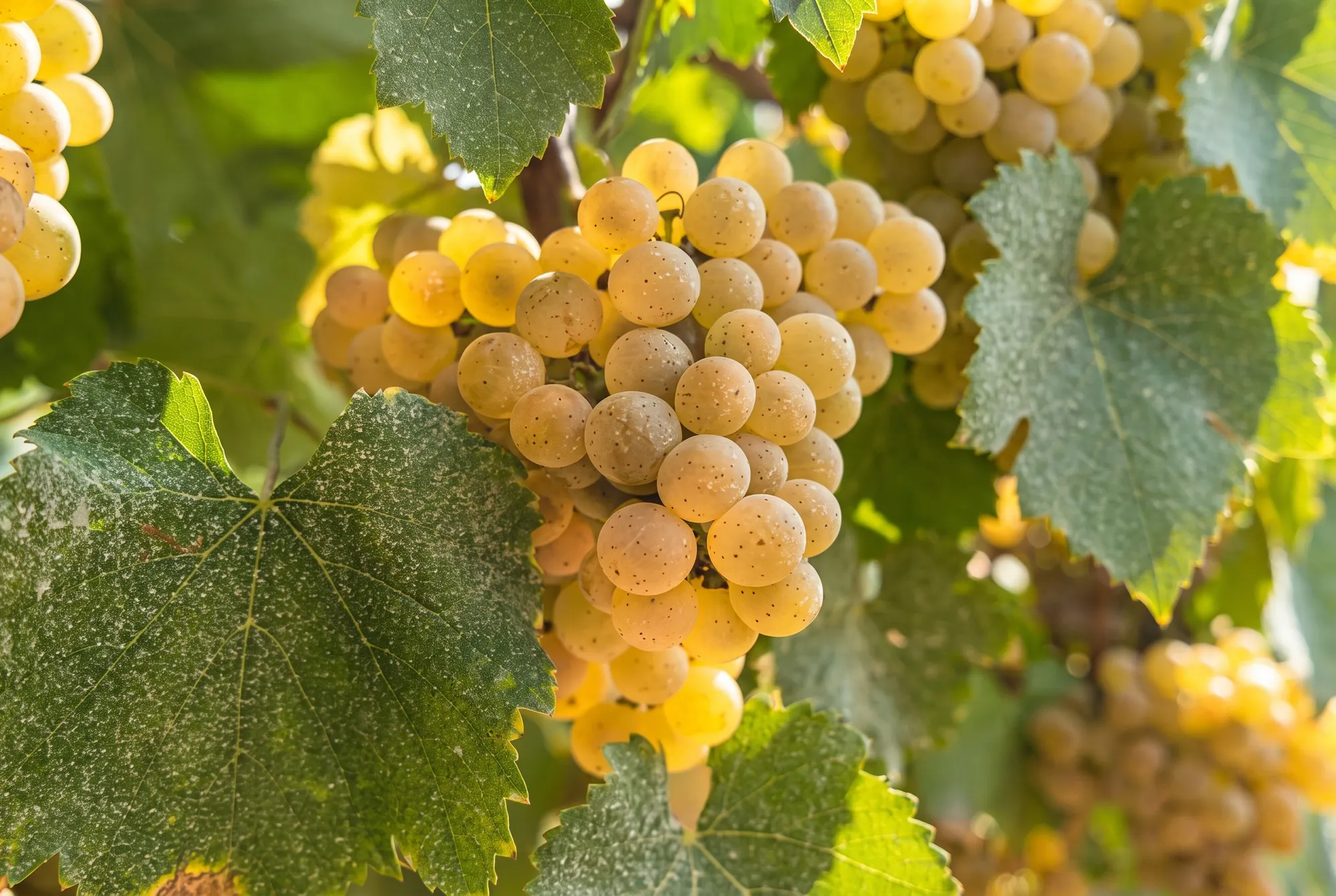
The same grape on both banks of the Minho River, with two names and two reputations.
At a Glance
Alvarinho is the grape behind Portugal's finest whites from the far north, and the same grape Spain sells as Albariño. It grows on both banks of the Minho River, the border between the two countries, and both claim it. The wines are dry and aromatic, with high acidity and a saline snap that makes them natural partners for seafood.
Color: White
Also known as: Albariño (in Spain); Cainho Branco
Origin: The Minho River area straddling northwest Portugal and Galicia, Spain
Grows best in: Monção e Melgaço (Vinho Verde); Rías Baixas, Spain
Signature flavors: Peach, apricot, grapefruit, lemon, jasmine, a sea-spray salinity
Body & style: Light and crisp, through to full, textured, age-worthy whites
What It Tastes Like
Alvarinho smells riper than it drinks. Peach, apricot, and jasmine on the nose read almost sweet, but the wine hits the palate dry, with high mouth-watering acidity and often a faint salty tang. Under the fruit sit grapefruit and lemon zest, and in the best bottles a stony, mineral undertow.
The two national styles diverge. Portuguese Alvarinho, especially from the granite soils of Monção e Melgaço, tends to have more body, texture, and aging capacity, turning honeyed and deep at three to seven years. Spanish Albariño from Rías Baixas is generally lighter and crisper, built for early drinking, though serious producers there make age-worthy versions too. Winemaking widens the range: stainless steel keeps it fresh and primary, while time on the lees (aging on spent yeast) or in oak adds weight and a creamy edge.
How to tell it apart: for a century people claimed Alvarinho was a stray clone of Riesling brought by monks. DNA killed that story; there is no relationship. The likelier mix-up now is with Sauvignon Blanc, which shares the aromatic lift and zippy acidity. Alvarinho is rounder and less herbaceous, with stone fruit and salt rather than Sauvignon's grass and green pepper. The Portuguese bottles from Monção e Melgaço often outclass the cheap Spanish Albariño that Americans grab by reflex.
Where It Grows
The grape's home is the Minho valley, and the argument over which side owns it is unresolved because it predates the modern border. In Portugal it concentrates in Monção e Melgaço, the northernmost, warmest, most sheltered subregion of Vinho Verde, on granite soils. This is where Alvarinho reaches its fullest, most structured form.
Across the river in Spanish Galicia, as Albariño, it is the star of Rías Baixas, which makes far more of it than Portugal does. That volume is why most Americans meet the Spanish version first. Rías Baixas makes many times more Alvarinho wine than Portugal does. The modern Portuguese story starts with Soalheiro, which planted the first continuous Alvarinho vineyard in Melgaço in 1974 and released its first wine in 1982. Beyond Iberia it is planted in California, Oregon, Australia, and New Zealand, though rarely with the same intensity.
In the Vineyard and Cellar
Alvarinho has thick skins, which help it shrug off the humidity and heat of its damp Atlantic home, resist rot, and feed its aromatic punch. Across much of the region it is trained high on pergolas to keep air moving through the wet climate. Yields are naturally low compared with a grape like Loureiro, which concentrates flavor. In the cellar the choice is stylistic: cool stainless-steel fermentation for a crisp fruit-driven wine, or lees contact and oak for the richer, longer-lived style Portugal does especially well. Thick skins also lend the wine a subtle phenolic grip, a faint textural firmness, that adds to its weight.
Reading the Label
The name tells you the country. Alvarinho means Portugal, Albariño means Spain, and it is one grape. On Portuguese labels look for Vinho Verde plus Alvarinho, or the Monção e Melgaço subregion for the top tier. A US bottle labeled Albariño needs 75% of the grape. One warning drawn from the label's history: for over a decade, most Australian wine sold as “Albariño” turned out under DNA testing to be a different grape entirely, Savagnin. Trust Iberian sources.
A Short History
Alvarinho is an old Minho variety, referenced in Portugal by the 1840s and clearly far older; vines two to three centuries old have been recorded. Its parentage is unsettled, though it sits within the ancient Caiño group of northwestern Iberia. It broke out as a named single-variety wine only in the 1980s, when Rías Baixas was formally established and Portuguese pioneers began bottling it on its own. It remains one of only two Portuguese white grapes, alongside Loureiro, to have built a genuine international following.
Did You Know? For years, Australian growers proudly sold “Albariño.” A visiting French expert grew suspicious in 2008, and DNA testing revealed that almost all of it was actually Savagnin, an unrelated French grape. An entire national category had been mislabeled.
At the Table
Serve it cold, 45 to 50°F (7 to 10°C). This is a classic seafood white. The high acidity and saline edge cut through oily fish, and the wine is built for shellfish: clams, mussels, shrimp, oysters, and the octopus and crab of the Galician and Minho coasts. It also handles richer plates, fried seafood or a roast chicken, better than lighter whites do. Drink most bottles within three years. The exception is serious Portuguese Alvarinho from old vines, which rewards five to seven years and turns honeyed and complex. Its weight and acidity also let it stand up to food most whites cannot, including a simple grilled pork chop or roast.
SOURCING & METHOD
Sourcing: origins, parentage, and synonyms drawn from Robinson, Harding & Vouillamoz, Wine Grapes (2012), the Vitis International Variety Catalogue, and peer-reviewed parentage studies; planting figures from OIV, the University of Adelaide winegrape database, national bodies, and Wine-Searcher, each anchored to a stated year; regional detail from the relevant consortia and D'Agata's Native Wine Grapes of Italy. Every fact was corroborated by at least two independent sources.