
Portugal's most-planted white grape, and one most Americans have never knowingly tasted.
At a Glance
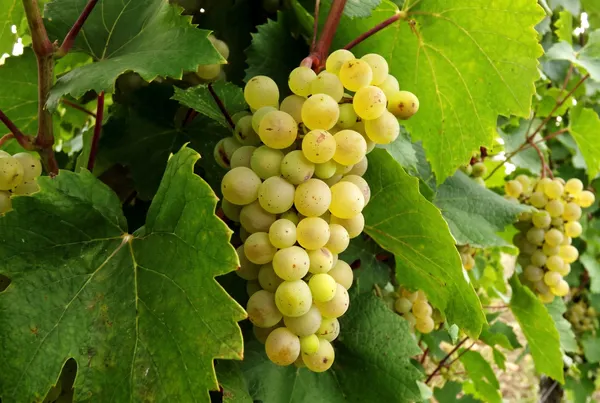
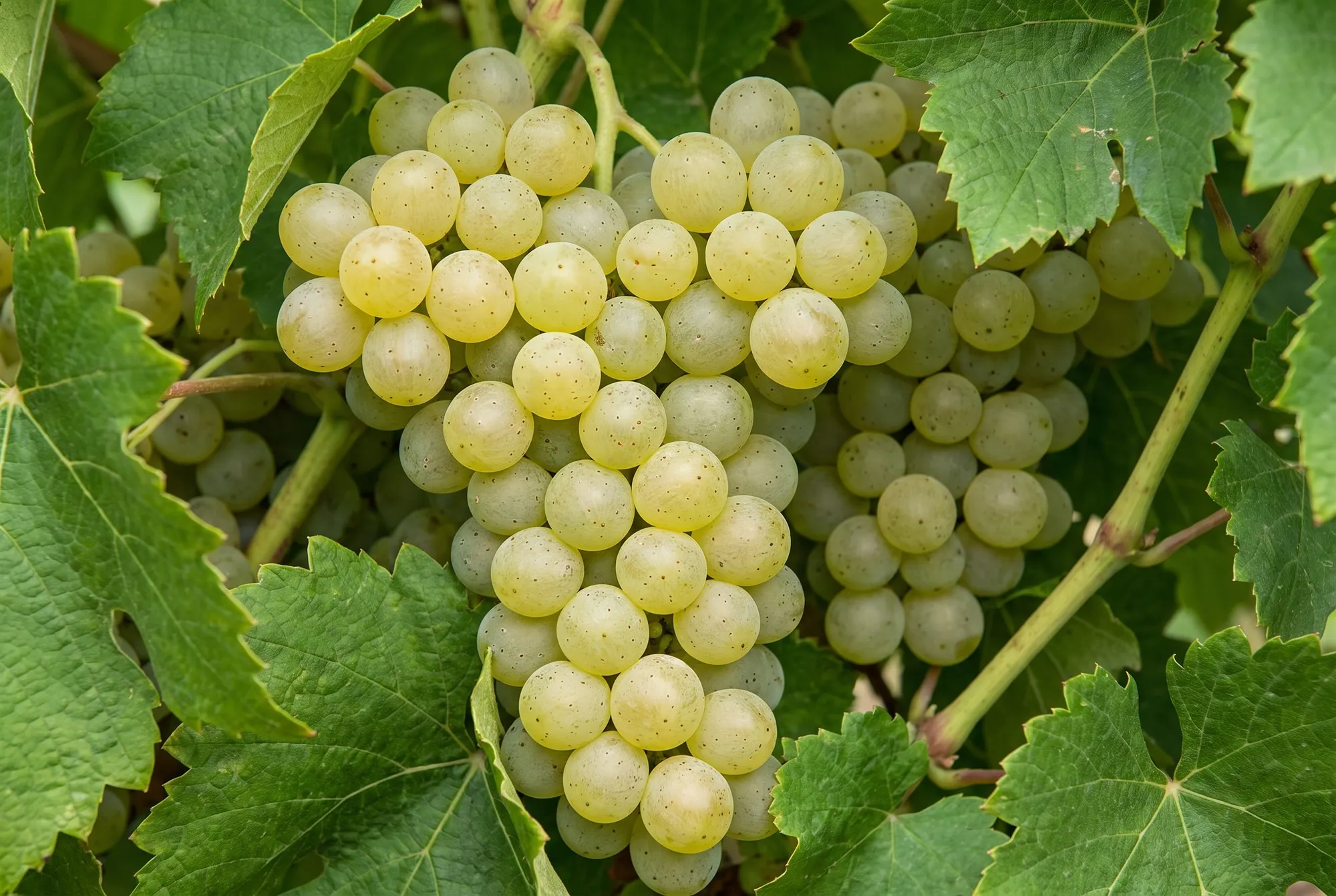
Fernão Pires is the white grape Portugal plants more than any other. You have probably drunk it without knowing, blended into inexpensive dry whites and sparkling wines. It is loud and floral, and it ripens early, which is both its gift and its problem.
Color: White
Also known as: Maria Gomes (in Bairrada); also Fernão Pirão, Molinha
Origin: Central Portugal, most likely the Tejo region
Grows best in: Tejo, Bairrada, Lisboa (all Portugal)
Signature flavors: Orange blossom, tangerine peel, lime, a dusting of nutmeg and ginger
Body & style: Light, soft, dry whites through to sparkling and sweet late-harvest wines.
What It Tastes Like
Pour a glass and the perfume hits first. Orange blossom and tangerine, with a spicy edge closer to nutmeg than pepper. The body is light to medium. The wine is dry, soft, and fruit-forward, and the finish is short. That softness is the tell. Fernão Pires lacks the racy acidity, the tart mouth-watering sharpness, of a Riesling or an Arinto.
The catch is timing. The grape ripens early and sheds acidity fast, so a wine picked a few days late tastes flat and heavy. Growers who harvest early keep it lively.
How to tell it apart: people mistake it for a Muscat (Moscatel) because both are so floral. Taste again. Muscat smells and tastes of fresh grapes and often carries sweetness. Fernão Pires leans citrus-blossom and spice, and it is usually bone dry. Oak-aged versions turn waxier and richer, but the grapey candy of Muscat is missing. American drinkers who have moved past Pinot Grigio would find plenty to like here, and mostly haven't.
Where It Grows
This is a Portuguese grape and stays one. Its heartland is the Tejo, the warm river region northeast of Lisbon, where sandy soils and heat give soft aromatic whites and some sweet late-harvest bottles.
In Bairrada, on the Atlantic coast, it goes by Maria Gomes and turns crisper and more mineral, anchoring the region's traditional-method sparkling wines (made fizzy by a second fermentation inside the bottle, as in Champagne). In the Península de Setúbal and the Lisboa hills it mostly fills out blends. There are small plantings in South Africa, but for practical purposes, if you are drinking Fernão Pires, you are drinking Portugal.
In the Vineyard and Cellar
Fernão Pires buds early and ripens early, and that shapes everything. Early budding leaves it exposed to spring frost. Early ripening gives the grower a narrow window before acidity collapses in the heat, which is why so many of these wines taste soft. It is high-yielding, so quality-minded producers hold the crop back for concentration. Most is fermented cool in stainless steel to protect the aromatics. A minority sees oak or extended time on the lees (spent yeast, which adds body and a waxy texture). Because it loses acidity so readily, it is often blended with a sharper grape such as Arinto to hold a wine together in warm years. Left to hang into overripeness, it also makes honeyed, sweet late-harvest bottlings.
Reading the Label
From the Tejo, Lisboa, or Alentejo the label reads Fernão Pires. From Bairrada it usually reads Maria Gomes. Same grape. A US wine named for one grape needs only 75% of it in the bottle, and Fernão Pires often hides, unnamed, inside inexpensive Portuguese white blends and sparkling wines. If a cheap, floral, dry Portuguese white surprises you, check the back label. There is a good chance this grape is the reason.
A Short History
Fernão Pires has grown in central Portugal for centuries, with Bairrada, where it is Maria Gomes, among its oldest homes. Its parentage is unknown. DNA work in the late 1990s settled a long-running question by confirming that Fernão Pires and Maria Gomes, long treated as separate, are one and the same variety.
Did You Know? It is the most-planted white grape in all of Portugal, yet almost no American has bought a bottle with its name on the front. Most of it vanishes, unnamed, into blends and sparkling wine.
At the Table
Serve it cold, around 46 to 50°F (8 to 10°C). The low acidity will not scrub fat off your palate the way a sharper white does, so skip heavy, oily dishes. It shines with lighter fare: grilled white fish, herb-roasted chicken, fresh salads, and mild Thai or Vietnamese food, where its orange-blossom perfume plays off lemongrass and cilantro. Drink it young, within a year or two of the vintage. These wines are not built to age; the fruit fades and there is no firm acidity to hold them up.
SOURCING & METHOD
Sourcing: origins, parentage, and synonyms drawn from Robinson, Harding & Vouillamoz, Wine Grapes (2012), the Vitis International Variety Catalogue, and peer-reviewed parentage studies; planting figures from OIV, the University of Adelaide winegrape database, national bodies, and Wine-Searcher, each anchored to a stated year; regional detail from the relevant consortia and D'Agata's Native Wine Grapes of Italy. Every fact was corroborated by at least two independent sources.