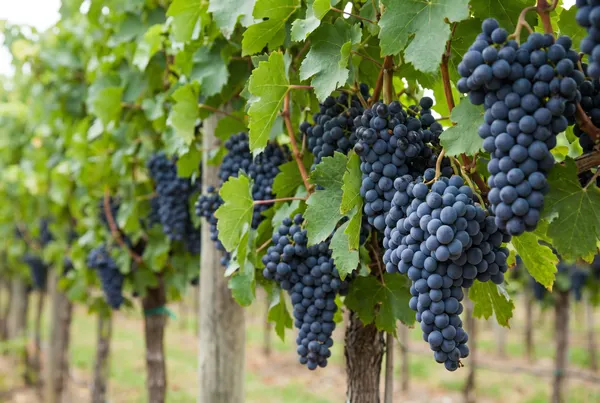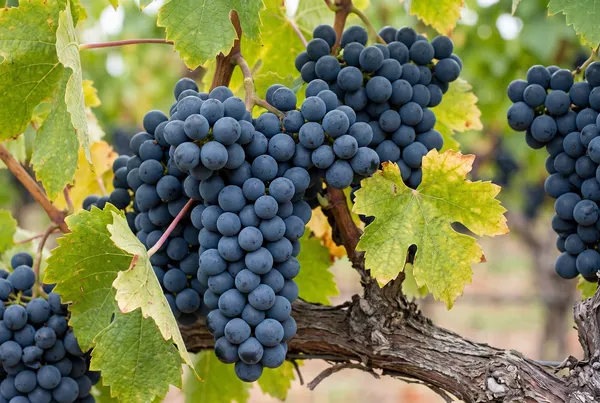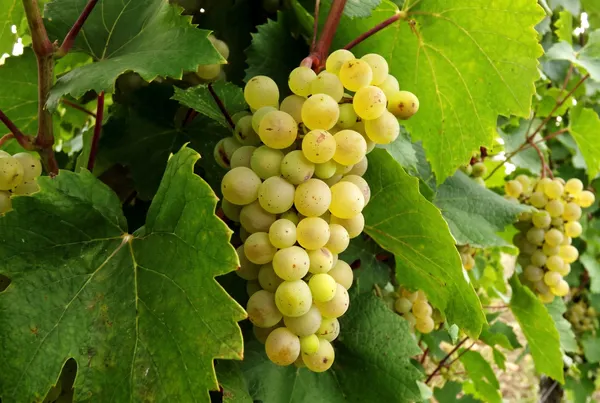

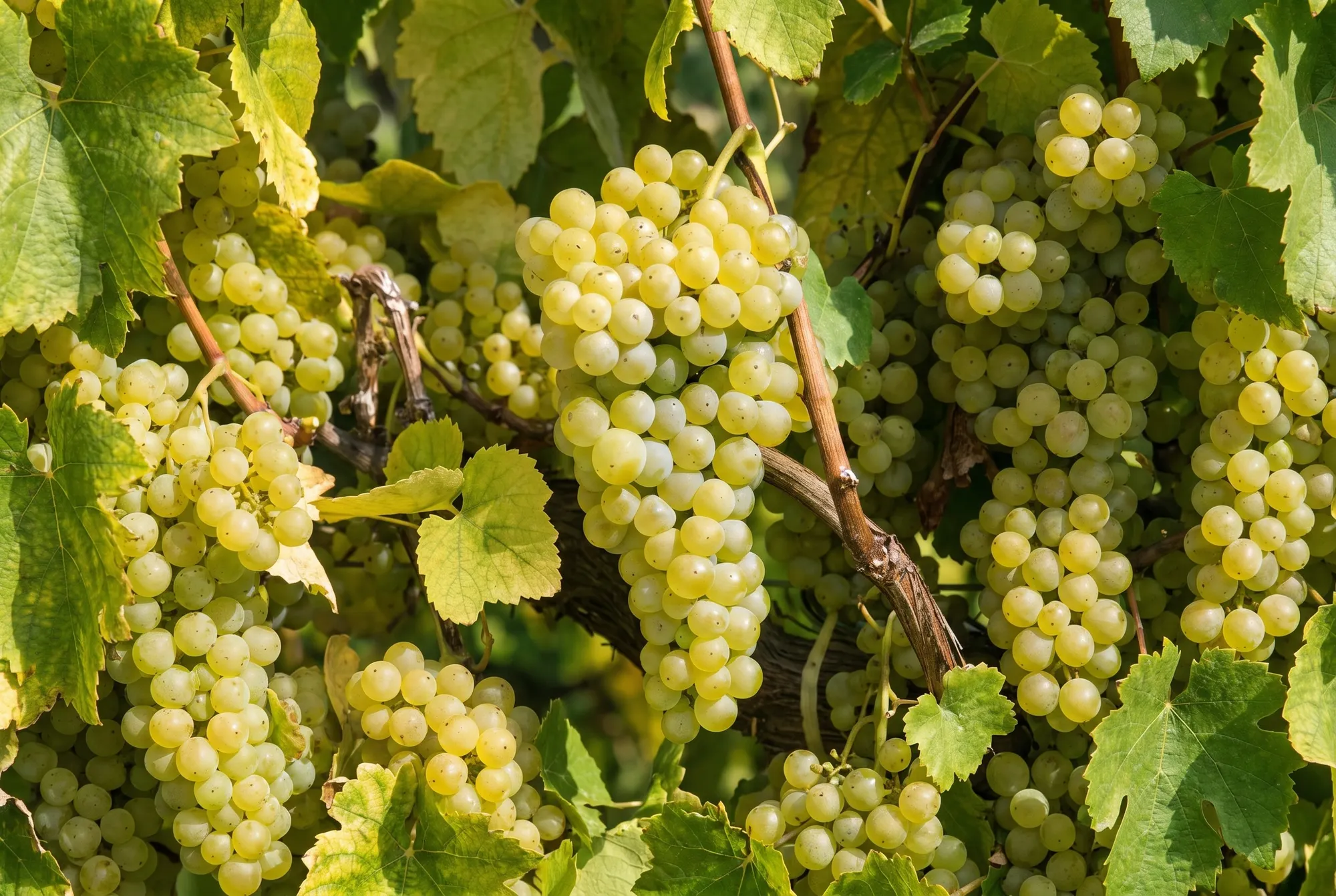
The floral backbone of Vinho Verde, forever standing in Alvarinho's shadow.
At a Glance
Loureiro is the most-planted white grape in Vinho Verde, Portugal's cool green northwest. Its name means “laurel,” after the bay-flower scent of its wines. If you have had a fresh, floral, faintly fizzy Portuguese white, Loureiro was probably in it. It is aromatic, high-yielding, and easy to like.
Color: White
Also known as: Loureira (in Galicia, Spain); Dourada
Origin: The Lima Valley in the Minho, northwest Portugal
Grows best in: Vinho Verde (especially the Lima subregion); Rías Baixas, Spain
Signature flavors: Bay laurel, orange blossom, acacia, green apple, peach, lime blossom
Body & style: Light and floral with brisk acidity, through to riper, lees-textured whites
What It Tastes Like
Loureiro is about scent. Bay laurel and orange blossom lead, then acacia and a squeeze of lime, over crisp apple and peach. The wine is light-bodied and fresh, lower in alcohol than most whites you know, often under 12%. The acidity is bright but not searing.
Climate matters. On cool coastal sites the aromatics sharpen and the wine stays lean and zippy. Push the yields too high and the perfume thins and fades within months of bottling. A growing number of producers now crop the vines harder, pick later, and give the wine time on its lees (spent yeast, which adds texture) or a touch of old oak, for something rounder that can age. The best now come from lower-yielding old vineyards in the Lima and Baixo Minho.
How to tell it apart: the confusion is always with Alvarinho, its Vinho Verde neighbor. Loureiro is the more floral of the two, softer, lower in acidity; one respected producer calls it “a small Gewürztraminer.” Alvarinho is firmer and higher in acid, with more stone fruit and salinity than blossom. If the wine smells like a flower shop and drinks light, it is Loureiro. Portugal undersells the grape by burying so much of it in anonymous cheap blends.
Where It Grows
Loureiro's home is the Lima Valley, in the Minho region of Portugal's far northwest. This is the heart of Vinho Verde, a wet, granite-soiled zone where the grape's high yields and disease tolerance suit the damp. Here it is the workhorse of both blends and a rising number of single-variety bottles. In Vinho Verde it is planted more widely than Alvarinho, even though Alvarinho draws the fame and the higher prices.
Across the border in Spanish Galicia it is Loureira, a minor blending partner in Rías Baixas, usually second to Albariño. The Spanish plantings are small. For both volume and identity, this is a northern-Portuguese grape.
In the Vineyard and Cellar
Loureiro is vigorous and generous, which is the root of its reputation problem. Left to crop freely, it gives a lot of pale, forgettable wine. It is thin-skinned, so it rots easily in Vinho Verde's autumn rains, making the harvest a gamble between ripeness and disease. Most is fermented cool in stainless steel and bottled young to capture the perfume. Careful growers drop yields and pick later for concentration, accepting the rot risk to make something serious.
Reading the Label
You will see it as Loureiro, either on a single-variety bottle or listed among the grapes in a Vinho Verde blend. In Spain, look for Loureira. A wine labeled simply “Vinho Verde” need not name it at all, and Loureiro is often the largest share of a white blend without appearing on the front. For the grape's floral character in full, seek out bottles that say Loureiro and, ideally, name the Lima subregion.
A Short History
Loureiro is an old northwestern-Iberian variety, documented since the late 1700s and long confined to the Lima Valley until it spread across Vinho Verde from the 1960s. Its parentage is not established, though DNA links it loosely to the region's ancient Caiño family of grapes. Only recently has it been treated as a “noble,” quality variety rather than a bulk one.
Did You Know? The name comes from louro, Portuguese for the laurel or bay tree. The wine's signature scent really does echo bay flowers, which is how the grape earned its name in the first place.
At the Table
Serve it cold, 45 to 50°F (7 to 10°C). This is a seafood wine before anything else. Its bright acidity and light weight suit raw oysters, grilled sardines, ceviche, and shellfish generally. The floral top note also flatters lightly spiced Asian dishes. Drink most Loureiro young, within two years, while the aromatics are alive. The exception is the small run of serious lees-aged or lightly oaked bottlings, which can hold and even improve for several years.
SOURCING & METHOD
Sourcing: origins, parentage, and synonyms drawn from Robinson, Harding & Vouillamoz, Wine Grapes (2012), the Vitis International Variety Catalogue, and peer-reviewed parentage studies; planting figures from OIV, the University of Adelaide winegrape database, national bodies, and Wine-Searcher, each anchored to a stated year; regional detail from the relevant consortia and D'Agata's Native Wine Grapes of Italy. Every fact was corroborated by at least two independent sources.