

Thin-skinned and heartbreaking to grow, it made Burgundy the center of the wine world.
At a Glance
Pinot Noir makes the most prized red wines in the world and frustrates growers more than any other grape. It's pale and perfumed, with little tannin, and it has an uncanny ability to taste like the exact patch of ground it grew on. It covers roughly 284,000 acres (115,000 hectares) as of 2016. Burgundy is its home and its benchmark.
Color: Black (red wine)
Also known as: Spätburgunder (Germany), Pinot Nero (Italy), Blauburgunder
Origin: Burgundy / northeastern France (ancient)
Where it grows best: Burgundy, Oregon (Willamette Valley), California (Sonoma Coast), Central Otago (New Zealand)
Signature flavors: red cherry, raspberry, cranberry, rose, violet; forest floor and mushroom with age
Body & style: Pale and delicate to darker and firm
What It Tastes Like
In the glass Pinot Noir is pale, often almost see-through, and that appearance tells you what's coming: a lighter, more delicate red. Expect red fruit, not black — cherry, raspberry, cranberry. Floral notes of rose or violet are common. As Pinot ages, it develops the savory smells that fans prize: forest floor, mushroom, dried leaves, sometimes something meaty. Tannin, the grippy compound from skins, is low to moderate, and acidity is high, which keeps the wine fresh and lively.
Warm sites push Pinot toward riper, darker fruit like black cherry and plum, with more body. Cooler sites keep it tart, red-fruited, and light. Winemakers who use lots of new oak (new wooden barrels) add spice and sweetness; those who don't let the fruit and earth speak.
How to tell it apart: Pinot gets confused with Gamay, the grape of Beaujolais, since both are light and red-fruited. Gamay is usually more purple, sometimes banana-and-bubblegum in smell, and even lower in tannin. Pinot has more structure, more earthy complexity, and ages far longer. If a light red tastes earthy and serious rather than juicy and simple, it's likely Pinot.
Where It Grows
Homeland: Burgundy. This narrow strip of eastern France divides its finest vineyards into a mosaic of tiny plots, each with its own name, exposure, and character; a single hillside can hold a dozen. The greatest sites, Chambertin and Romanée-Conti among them, produce Pinot of profound complexity, at prices to match.
Oregon's Willamette Valley, cool and damp, is Burgundy's closest New World echo: elegant, red-fruited Pinot with real structure rather than fruit bombs, from sub-zones like the Dundee Hills.
California's Sonoma Coast and Russian River Valley run riper and rounder, with darker cherry fruit and fuller body, though the best hold onto their freshness and perfume.
Central Otago, on New Zealand's South Island, is one of the world's southernmost wine regions. Its Pinot is bold and fruit-forward, with intense cherry and a mineral snap. New Zealand Pinot deserves more shelf space in American stores than it gets.
In the Vineyard and Cellar
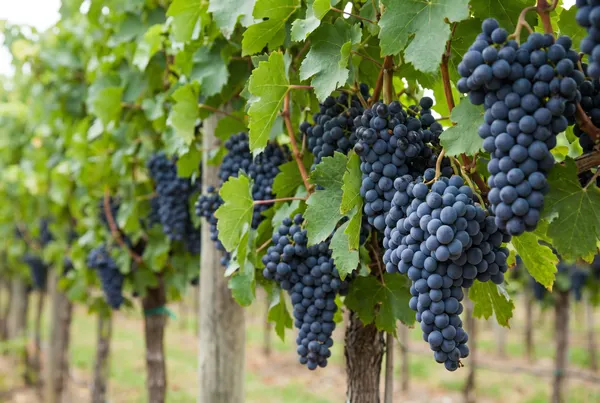
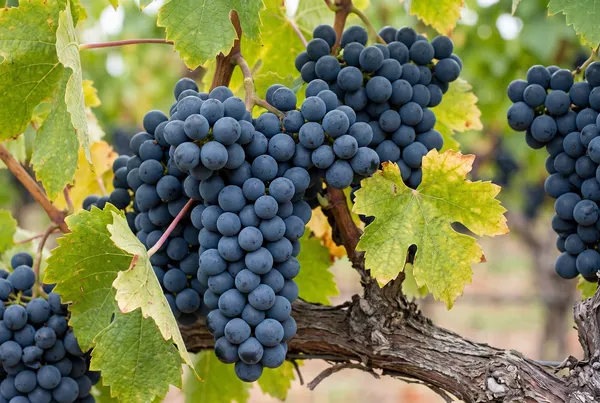
Pinot Noir has thin skins and grows in tight, compact bunches. Thin skins mean low tannin and pale color, but they also make the grape a magnet for rot and fungal disease, since moisture gets trapped between the crowded berries. It buds early, so spring frost can wipe out a crop, and it ripens early, so it needs a cool climate or it turns flabby and loses its perfume. Pinot also mutates readily, giving growers many clones (genetically slightly different versions of the same vine) to choose from. In the cellar it's handled gently: gentle extraction and a measured hand with new oak, because heavy-handed winemaking buries its delicacy. Some producers ferment whole bunches, stems included, to add spice and lift.
Reading the Label
In Burgundy the label names the place, not the grape: a red “Gevrey-Chambertin” or “Pommard” is Pinot Noir, full stop. Germany calls it Spätburgunder. New World bottles say “Pinot Noir” plainly. Watch Oregon: unlike Cabernet or Syrah, Pinot Noir is not exempt from the state's strict 90% rule, so an Oregon Pinot Noir must be at least 90% Pinot, purer than the 75% federal minimum elsewhere. Pinot is also one of the three main grapes in Champagne, where it adds body and is pressed to give white juice.
A Short History
Pinot Noir is ancient, among the oldest cultivated wine grapes, grown in Burgundy since Roman times and probably before. It's genetically close to wild grapevines, which marks it as an old variety rather than a modern cross. Pinot is also hugely important as a parent: crossed naturally with an old grape called Gouais Blanc, it produced Chardonnay, Gamay, and a dozen others. Medieval monks refined its vineyards over centuries.
Did You Know? Most Champagne is made partly from Pinot Noir, a black grape. The skins are kept away from the juice, so the wine comes out white. A Champagne labeled “Blanc de Noirs,” meaning white from blacks, is made entirely from dark-skinned grapes such as Pinot Noir.
At the Table
Pinot Noir is the great food red because it doesn't fight. Low tannin and high acidity make it flexible where a big Cabernet would bulldoze the plate. It's the classic match for roast chicken, duck, salmon and tuna (among the few reds that work with fish), mushroom and truffle dishes, and soft, earthy cheeses like Brie. The acidity cuts through fat and richness. Serve it cool, around 55–60°F (13–15°C), in a wide bowl that gathers the aromatics; too warm and the alcohol dominates and the perfume fades. Village-level Burgundy and most New World Pinot drink well within a few years, while premier and grand cru Burgundy can age for decades, gaining those forest-floor and truffle notes that make older Pinot so prized.
SOURCING & METHOD
Sourcing: origins,
parentage, and synonyms drawn from Robinson, Harding &
Vouillamoz, Wine Grapes (2012), the Vitis International Variety
Catalogue, and peer-reviewed parentage studies; planting figures from OIV, the
University of Adelaide winegrape database, national bodies, and Wine-Searcher,
each anchored to a stated year; regional detail from the relevant consortia and
D'Agata's Native Wine Grapes of Italy. Every fact was corroborated by at
least two independent sources.