

Italy's Primitivo and California's Zinfandel are the same grape, proven by DNA.
1 AT A GLANCE
Primitivo and Zinfandel are one variety, confirmed by DNA in 2001, and the grape's oldest home is Croatia, where it goes by Tribidrag. In Puglia, the heel of Italy, it's Primitivo. In California, Zinfandel. Wherever it grows it ripens unevenly and piles on sugar, which yields dark, high-alcohol reds and, in the United States, an ocean of sweet pink wine. For a grape most Americans think of as homegrown, its roots run straight back across the Adriatic to the Dalmatian coast.
COLOR: Black
ALSO KNOWN AS: Zinfandel (US), Tribidrag / Crljenak Kaštelanski (Croatia), Kratošija (Montenegro)
ORIGIN: Croatia, the Dalmatian coast; documented as Tribidrag in 1444
GROWS BEST: Warm, sunny sites: Puglia, and California's Lodi, Sonoma, and Sierra Foothills
SIGNATURE FLAVORS: Blackberry, black cherry, raisin, black pepper, licorice
BODY & STYLE: Ripe and juicy to jammy and high in alcohol; also made as off-dry rosé
2 WHAT IT TASTES LIKE
Full body, high alcohol (often 14.5 to 16%), moderate acidity, and moderate tannin, the drying grip that comes from skins and seeds. Under strong sun the fruit runs to blackberry, plum, and black cherry, frequently stewed or dried toward raisin, with black pepper and licorice around the edges. The uneven ripening shows up in the glass: within one bunch some berries shrivel to raisins while others lag behind green, so a single wine can taste both fresh and jammy at once. Oak aging adds vanilla, smoke, and sweet spice.
How to tell it apart: the real confusable is itself, since Primitivo and Zinfandel are the same grape, so the gap between them is style rather than variety. Italian Primitivo tends to be drier and earthier, with more structure and a savory, sometimes dusty edge; California Zinfandel is riper, sweeter-fruited, higher in alcohol, and jammier. Keep it separate, too, from Puglia's other big red, Negroamaro, which is more bitter and herbal and is often blended with Primitivo in the region.
3 WHERE IT GROWS
Puglia is the Italian home, and Primitivo di Manduria is its benchmark appellation, requiring a minimum 13.5% alcohol, among the highest demanded anywhere; the naturally sweet version, Dolce Naturale, became Puglia's first top-tier DOCG wine in 2011. Gioia del Colle, on higher ground inland, makes a fresher, more structured style. California grows far more of the grape than Italy does, more than 40,000 acres (about 16,000 hectares) as of 2020, spread across Lodi, Sonoma's Dry Creek Valley, Paso Robles, and the Sierra Foothills. Many of California's best examples come from old-vine field blends, some vines over a century old, co-planted with Petite Sirah and Carignane. In Croatia, Tribidrag has been pulled back from the edge of extinction since the DNA match was found.
4 IN THE VINEYARD AND CELLAR
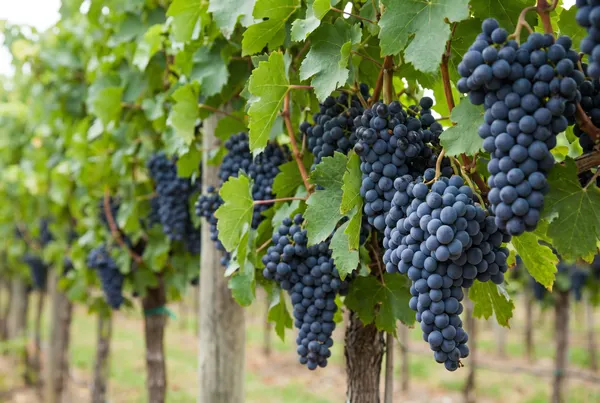
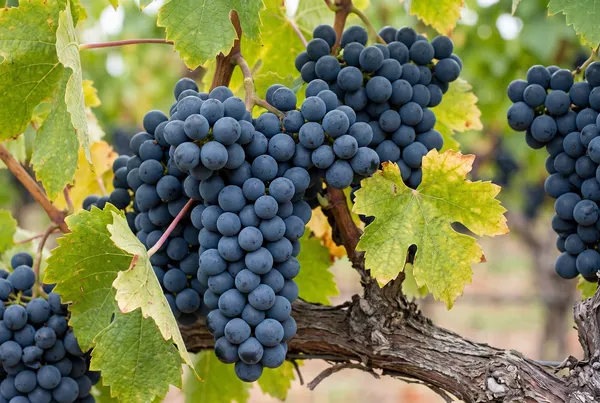
Tight bunches ripen unevenly, leaving berries at wildly different sugar levels in one cluster, and those compact clusters trap moisture and invite bunch rot in damp weather. The skins are thin to medium. Growers pick on a knife-edge between fully ripe and raisined, since waiting on the laggard berries risks turning the rest to prunes. The high sugar drives high alcohol, so cellars work to control the heat of a fast, powerful fermentation. Italian Primitivo selections tend to ripen a little earlier and more evenly than the older California Zinfandel clones, one reason the Italian wines can taste more composed.
5 READING THE LABEL
US bottles say Zinfandel; Italian ones say Primitivo, and a growing number of American producers now print "Primitivo" to signal a leaner, Old-World style. "White Zinfandel" is an off-dry pink wine, not white and not a different grape, made by pulling the juice off the skins early. A US varietal wine needs only 75% of the named grape, and plenty of inexpensive reds fold Zinfandel into a blend without ever naming it.
6 A SHORT HISTORY
The grape appears as Tribidrag in a Dalmatian record from 1444. It reached the United States through the imperial nursery in Vienna around 1829 and took the name Zinfandel. In 2001, Carole Meredith's team at UC Davis, working with Croatian researchers, used DNA to match Zinfandel, Primitivo, and the nearly extinct Crljenak Kaštelanski as a single variety. The 1980s craze for sweet White Zinfandel, however unfashionable, kept many old vines in the ground.
Did you know? The grape's oldest recorded name, Tribidrag, appears in a Croatian document from 1444, almost four centuries before the word "Zinfandel" was ever printed anywhere.
7 AT THE TABLE
Ripe fruit, high alcohol, and moderate tannin point straight at barbecue, burgers, grilled and smoked meats, pizza, and aged cheddar; the sweet fruit takes well to char and spice rubs. The moderate acidity means the grape is happier next to fat than to a sharp tomato sauce. Serve at 60–64°F (16–18°C), even slightly cool, which tames the burn of the alcohol. Most versions drink best in their first few years, though old-vine Zinfandel and top Manduria can hold 8 to 12 years. At 15.5% alcohol, a lot of California Zin is exhausting to drink across a full meal; Primitivo, picked a shade earlier, usually makes the better dinner bottle.
SOURCING & METHOD
Sourcing: origins, parentage, and synonyms drawn from Robinson, Harding & Vouillamoz, Wine Grapes (2012), the Vitis International Variety Catalogue, and peer-reviewed parentage studies; planting figures from OIV, the University of Adelaide winegrape database, national bodies, and Wine-Searcher, each anchored to a stated year; regional detail from the relevant consortia and D'Agata's Native Wine Grapes of Italy. Every fact was corroborated by at least two independent sources.