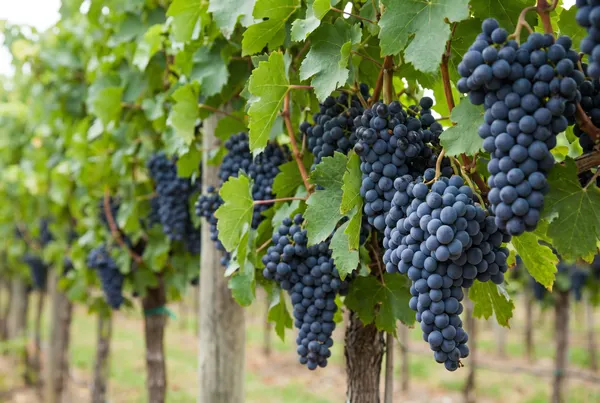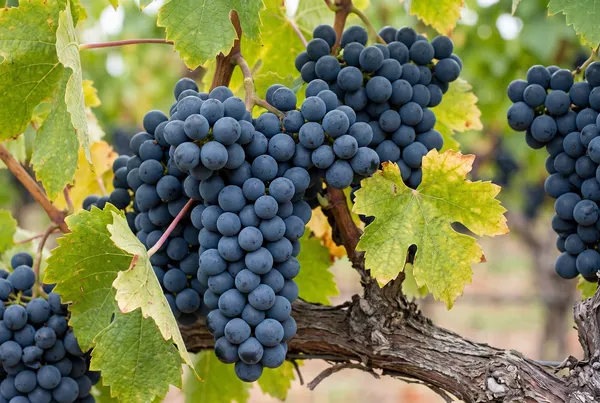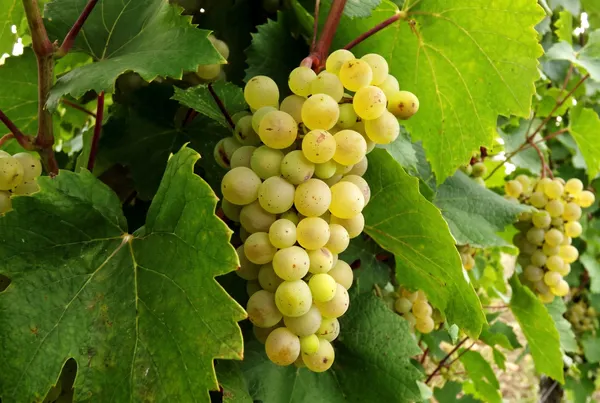


Bone-dry to lusciously sweet, it mirrors its vineyard more faithfully than almost any white grape.
At a Glance
Riesling is the great white grape of Germany and, to many professionals, the finest white grape there is. It is intensely aromatic and razor-sharp in acidity, and it almost never sees oak. Its trademark is transparency: Riesling transmits the taste of a place with unusual clarity. American shoppers still wrongly assume it's always sweet, and pass over some of the best-value fine wine on the shelf.
Color: White
Also known as: Weisser Riesling, Rheinriesling, Johannisberg Riesling, Riesling Renano (Italy)
Origin: Rhine region, Germany
Where it grows best: Mosel, Rheingau, Pfalz (Germany); Alsace (France); Clare & Eden Valleys (Australia)
Signature flavors: Lime, green apple, peach, apricot, honey; aged Riesling smells of petrol
Body & style: Bone-dry and mineral to intensely sweet
What It Tastes Like
Riesling's signature is acidity — the mouthwatering, tart snap that makes you salivate. It's almost always high, which is why even sweet Rieslings taste fresh rather than cloying. The fruit runs citrus and orchard: lime, green apple, peach, apricot, often with a floral or honeyed note. Riesling is one of the few whites that improves markedly with age, developing a distinctive smell of petrol or kerosene from a natural compound called TDN. It sounds unappealing; in practice it's prized.
Sweetness is the variable. German Riesling ranges from bone-dry (labeled “trocken”) to lusciously sweet dessert wine, and the label doesn't always make it obvious. Cooler sites give leaner, more mineral wines; warmer sites and riper fruit give rounder, fuller ones. Riesling is rarely aged in oak barrels, so what you taste is mostly pure grape and place.
How to tell it apart: Riesling gets confused with other aromatic whites, especially Gewürztraminer. Gewürztraminer is lower in acid and smells of lychee, rose, and baking spice; it feels oilier and fatter. Riesling is leaner, higher in acid, and more citrus-and-mineral. If a white smells floral but tastes electric and tart, it's Riesling.
Where It Grows
Homeland: Germany's Rhine and Mosel valleys. Germany holds about 59,000 acres (24,000 hectares) of Riesling as of 2024, roughly 40% of the world total. On the Mosel's steep slate slopes, Riesling makes featherweight wines of 8–9% alcohol, often off-dry, all lime and wet stone. The Rheingau and Pfalz make fuller, frequently dry versions.
Alsace, across the border in France, makes Riesling dry, powerful, and full-bodied, a distinctly different animal from the German styles.
Australia's Clare and Eden Valleys, cooler pockets in a hot country, produce bone-dry Riesling bursting with lime and a piercing, almost steely acidity that ages beautifully.
In the Vineyard and Cellar
Riesling is winter-hardy and buds late, which helps it dodge spring frosts. It ripens late too, so it needs a long, cool season to hold onto its defining acidity; in a hot climate that acid burns off and the magic is lost. This is why Riesling stays a cool-climate specialist. Its thin skin lets it develop “noble rot” (a beneficial fungus, Botrytis cinerea, that shrivels the grapes and concentrates their sugar) in the right damp-then-dry autumn conditions, the basis of the great sweet wines. Winemakers usually ferment it in steel or neutral vessels and skip oak entirely, to protect its aromatics.
Reading the Label
Sweetness is the puzzle. German labels use a ripeness ladder called Prädikat: Kabinett (lightest) through Spätlese and Auslese, up to the sweet Beerenauslese and Trockenbeerenauslese. Higher rungs mean riper grapes, often but not always a sweeter wine. The word “trocken” means dry. Alsace Riesling is typically dry and labeled simply “Riesling.” American labels say “Riesling” or, on older bottles, “Johannisberg Riesling”; both are the real grape. Beware imposters: Welschriesling, Grey Riesling, and Cape Riesling are unrelated grapes.
A Short History
Riesling has grown along the Rhine since at least the fifteenth century; a 1435 cellar record is the first clear mention. DNA analysis identified its parents as Gouais Blanc, an old and now-rare grape, crossed with a seedling descended from Traminer and a wild vine. That makes Riesling a native German cross of considerable age. It was ranked among the world's greatest white grapes by the 1800s.
Did You Know? Aged Riesling smells of petrol, and connoisseurs love it. The aroma comes from a compound called TDN that builds up as the wine matures, especially in warmer vintages. Far from a fault, that whiff of gasoline is a badge of a serious, developed Riesling.
At the Table
Riesling's high acidity and off-dry versions make it one of the best partners for spicy food. A touch of sweetness tames chili heat, and the acidity refreshes between bites, which is why Riesling shines with Thai, Indian, and Szechuan cooking. Dry Riesling suits trout, pork, and shellfish. Sweet Riesling wants dessert or rich blue cheese — sweetness needs to meet sweetness, or the wine tastes thin against the dish. Serve it cold, around 45–50°F (7–10°C). Everyday Riesling drinks well young, but good examples, dry or sweet, can age for a decade or far longer, which few whites can claim.SOURCING & METHOD
SOURCING & METHOD
Sourcing: origins,
parentage, and synonyms drawn from Robinson, Harding &
Vouillamoz, Wine Grapes (2012), the Vitis International Variety
Catalogue, and peer-reviewed parentage studies; planting figures from OIV, the
University of Adelaide winegrape database, national bodies, and Wine-Searcher,
each anchored to a stated year; regional detail from the relevant consortia and
D'Agata's Native Wine Grapes of Italy. Every fact was corroborated by at
least two independent sources.