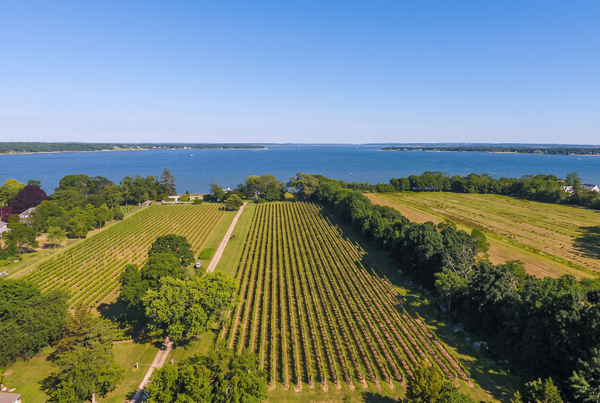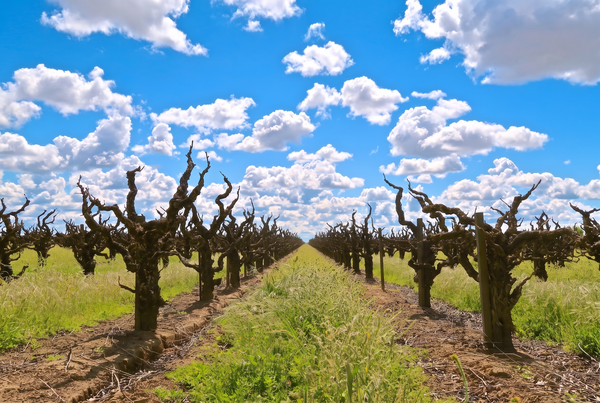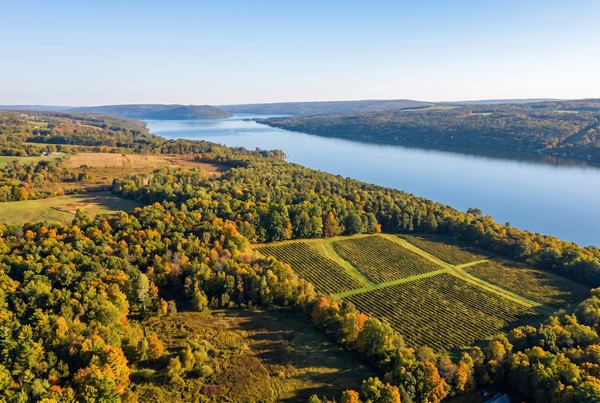


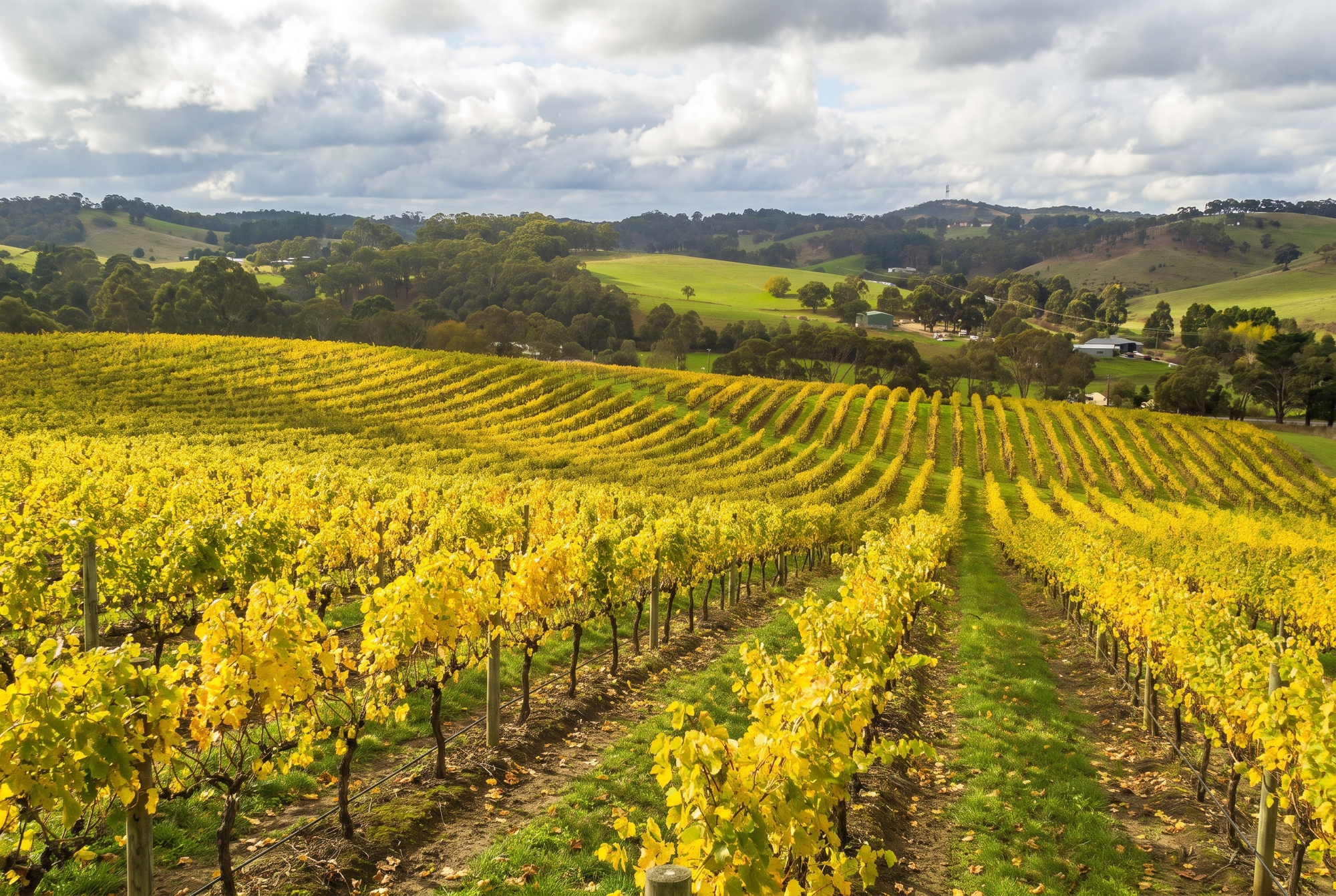
Twenty minutes from Adelaide, vineyards climb into air too cool for Shiraz country.
1. At a Glance
The Adelaide Hills rise directly east of Adelaide in the Mount Lofty Ranges, a narrow band of vineyard country about 45 miles (70 kilometers) long. Altitude makes it South Australia's coolest mainland region, an island of Sauvignon Blanc, Chardonnay, Pinot Noir, and sparkling wine in a state famous for big reds. Its highest vineyards sit above 2,000 feet (600 meters), and its dozens of cellar doors are close enough to the city for an easy afternoon visit.
Country: Australia
Main grapes: Sauvignon Blanc, Chardonnay, Pinot Noir, Shiraz, Pinot Gris
Signature styles: Crisp Sauvignon Blanc; fine Chardonnay; elegant Pinot Noir; sparkling wine
Climate: Cool, elevated; moderate rainfall concentrated in winter
Key appellations: Adelaide Hills GI, with Lenswood and Piccadilly Valley subregions
Vineyard area: About 9,780 acres (3,957 hectares), 2020 national vineyard scan
2. Why It Matters
The Hills are the benchmark for Australian Sauvignon Blanc and the proof that South Australia is more than Shiraz. A short drive separates Adelaide's warm plains from vineyards cool enough for fine sparkling wine, and that accessibility has made the region a laboratory for the state's winemakers: pioneers like Brian Croser and Shaw + Smith built its reputation, big companies source their cool-climate whites here, and a younger generation around Basket Range helped launch Australia's natural wine movement.
3. Land and Climate
Everything follows from altitude. Vineyards range from about 1,300 to 2,100 feet (400 to 650 meters), and the mean January temperature of roughly 66 degrees Fahrenheit (19 Celsius) runs several degrees below the city below. Grapes that would ripen fat and blowsy on the plains instead ripen slowly, holding the tart acidity that defines every Hills wine, white, red, or sparkling.
The terrain is a crumple of valleys and slopes, so aspect matters enormously: a north-facing slope (the sunny side in the Southern Hemisphere) might ripen Shiraz, while a cold, high site around Piccadilly or Lenswood suits sparkling-wine Chardonnay picked at low sugar. Rain falls mainly in winter onto loamy sands over clay, with the highest ridges catching noticeably more of it. The highest, wettest sites carry real vintage risk, and spring frost is a genuine hazard in the valleys.
4. Grapes and Styles
Sauvignon Blanc is the most planted grape (about 36 percent of the vineyard, mid-2020s figures) and the region's commercial engine: aromatic, crisp, tropical-and-herbal, made for drinking within a year or two. It made the region's name, yet the Chardonnay is the better wine, and the gap is widening. Top Hills Chardonnay from producers like Shaw + Smith is taut, citrusy, and flinty, with 8 to 12 years of aging potential at a fraction of the price of comparable white Burgundy.
Pinot Noir leads the reds: medium-bodied, cherry-fruited, silky, and generally regarded as South Australia's best. Cool-climate Shiraz from warmer pockets is peppery and medium-weight, a world away from Barossa, and often labeled Syrah to signal the style. Both Chardonnay and Pinot Noir also feed high-quality traditional-method sparkling wine, in which bubbles form during a second fermentation in the bottle. Pinot Gris, Gruner Veltliner, and Italian varieties are growing fast, part of the region's appetite for the new.
5. Reading the Label
"Adelaide Hills" is a Geographical Indication, or GI, a legally protected regional name; at least 85 percent of the grapes must come from inside the boundary, and the same 85 percent rule governs any variety or vintage claim. Two official subregions may appear on labels, Lenswood and Piccadilly Valley, both high, cold sites whose names signal extra finesse and usually a higher price, and unofficial district names like Basket Range often flag small-batch or natural-leaning producers, useful shorthand once you know the code.
On sparkling bottles, "methode traditionnelle" indicates bottle fermentation, and "Blanc de Blancs" means all Chardonnay. Because the region borders the Barossa and McLaren Vale, some wineries based there buy Hills fruit for their whites; the GI on the label tells you where the grapes grew, not where the winery sits.
6. A Short History
John Barton Hack planted vines at Echunga in 1839, in one of South Australia's earliest winegrowing ventures, and German settlers followed at Hahndorf and Lobethal in the 1840s. The industry faded in the early 1900s, and the hills reverted to orchards and dairying for half a century. The modern era began in the 1970s and 80s, when Brian Croser at Petaluma and a cohort of fellow pioneers recognized the cold sites as ideal for Chardonnay, Pinot Noir, and sparkling wine.
Did You Know? The first Australian wine presented to a British monarch came from these hills: in the early 1840s, settler John Barton Hack sent Queen Victoria a case of white wine from his Echunga vineyard, planted in 1839, decades before the Barossa or Coonawarra meant anything to anyone.
7. At the Table
Hills Sauvignon Blanc and fresh goat cheese is a classic pairing, and the wine's herbal snap suits salads, asparagus, and raw shellfish; serve cold, 46 to 48 degrees Fahrenheit (8 to 9 Celsius). Chardonnay steps up to roast chicken, pork loin, and cream sauces at around 52 degrees Fahrenheit (11 Celsius). Pinot Noir, served slightly cool at 57 to 61 degrees Fahrenheit (14 to 16 Celsius), handles duck, salmon, and mushrooms. Sparkling wines open a meal with oysters or fried food, chilled to about 45 degrees Fahrenheit (7 Celsius). Most Hills wines are made to drink within five years; only serious Chardonnay and single-site Pinot repay a longer wait.
Links
Official regional body (Adelaide Hills Wine Region): https://www.adelaidehillswine.com.au/
Wine Australia regional profile: https://www.wineaustralia.com/market-insights/regions-and-varieties/south-australia-wines/adelaide-hills