

Shiraz vines planted in 1843 still fill bottles here every vintage.
1. At a Glance
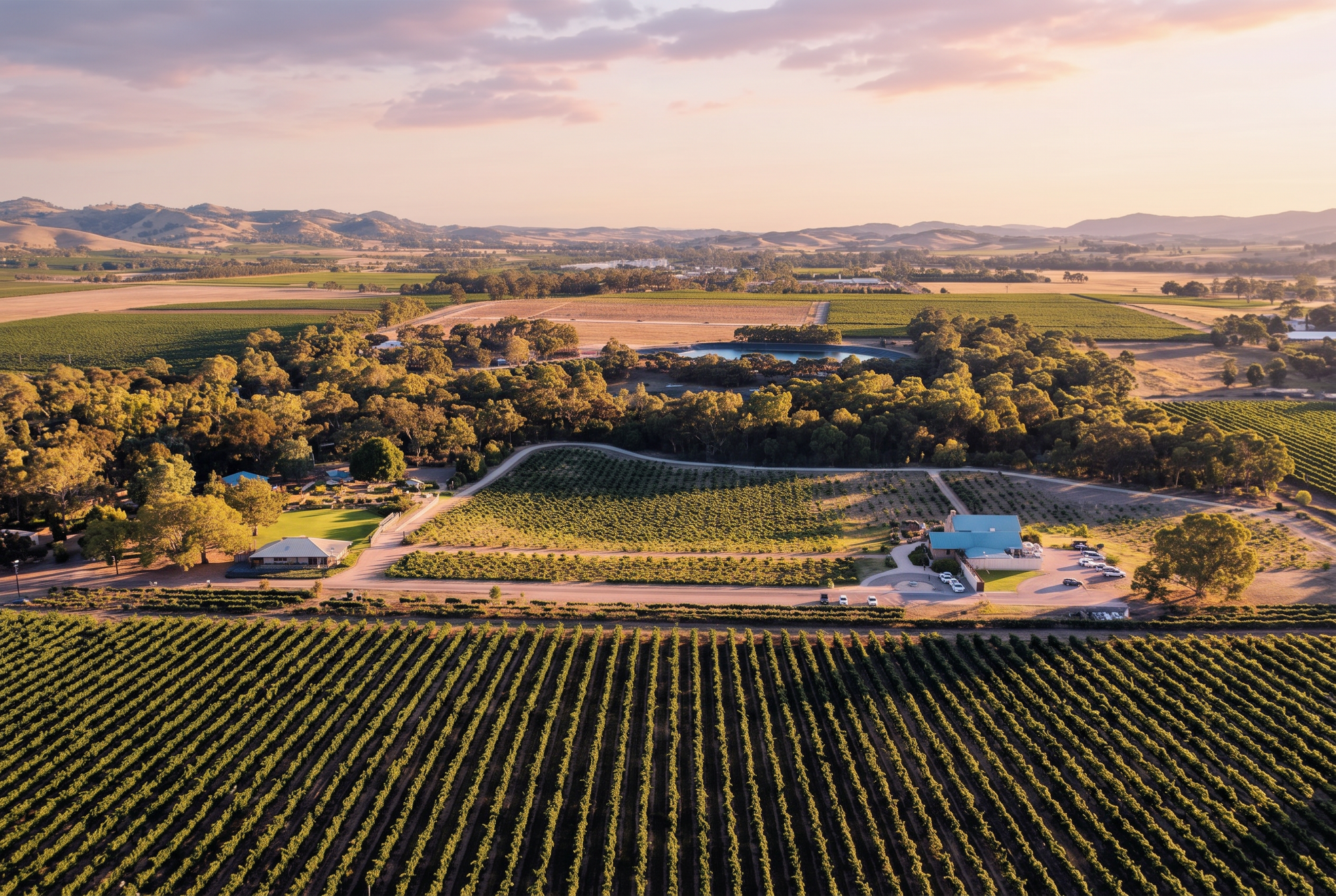
The Barossa Valley sits about 35 miles (56 kilometers) northeast of Adelaide in South Australia. It is the country's most famous wine region, and its calling card is full-bodied Shiraz from some of the oldest producing grapevines on earth. Settled largely by German-speaking families in the 1840s, the valley still carries their names on its wineries, bakeries, and Lutheran churches.
Country: Australia
Main grapes: Shiraz, Cabernet Sauvignon, Grenache, Mataro (Mourvedre), Riesling, Semillon
Signature styles: Full-bodied Shiraz; Grenache blends; old-vine reds; fortified wines
Climate: Warm Mediterranean; hot, dry summers, wet winters
Key appellations: Barossa Valley GI, within the Barossa zone (with Eden Valley)
Vineyard area: About 28,700 acres (11,600 hectares), 2020 national vineyard scan
2. Why It Matters
When the world pictures Australian wine, it usually pictures Barossa Shiraz: dark, generous, built on ripe fruit and soft tannin. The valley anchors the reputations of Penfolds, Henschke, and dozens of family producers, supplies the fruit behind Australia's most collected bottles, and holds a genetic treasure. Because the root-eating vine pest phylloxera never reached South Australia, Barossa vines grow on their own roots, some planted before the American Civil War.
3. Land and Climate
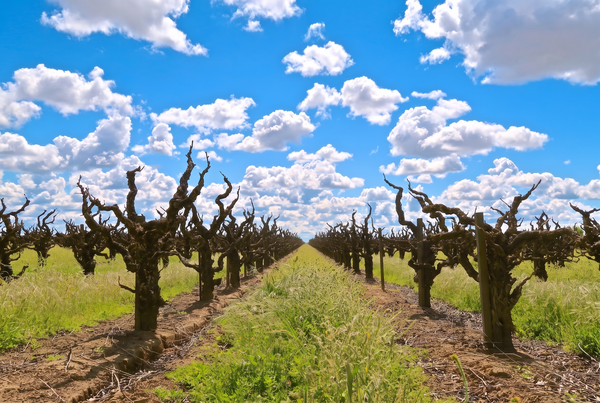
The Barossa is a broad, shallow valley flanked by low hills, with vineyards on the warm floor and cooler sites on the slopes. Summers are hot and dry; most rain falls in winter. That dryness matters twice over. It keeps fungal disease pressure low, so grapes arrive at the winery clean, and it forces many old vineyards to survive without irrigation as low, self-supporting bush vines, which yield small crops of concentrated fruit.
Soils range from clay loam to sand, generally low in fertility, which further restrains vine vigor. The reliable heat ripens Shiraz and Grenache fully almost every year, producing wines high in ripe flavor and alcohol and low in harsh acidity. Cooler pockets at higher elevation, and the neighboring Eden Valley, contribute the region's brisk Rieslings.
4. Grapes and Styles
Shiraz occupies roughly half the vineyard area (2020s figures from the regional body) and defines the place. Expect a full-bodied red with blackberry, plum, dark chocolate, and sweet spice, plush tannins, and alcohol that often reaches 14.5 percent or more. The best examples come from vines 50 to 150 years old and can age for decades.
Grenache is the insider's pick, and in my view the region's most exciting wine today: fragrant, raspberry-toned, lighter on its feet than Shiraz. It often joins Shiraz and Mataro in the blend labeled GSM. Cabernet Sauvignon here is riper and softer than in cooler regions.
Among whites, Semillon and Riesling lead, both capable of aging ten years in good hands. Semillon here is fuller and softer than the Hunter Valley's famous version. Barossa also keeps an old tradition of fortified wines, made by adding grape spirit to stop fermentation, leaving sweetness and raising alcohol; some barrel-aged tawny styles blend material decades old, and they remain absurdly cheap for what they deliver.
Price is a reasonable quality guide here. Entry-level Barossa Shiraz is reliable but simple; the serious single-vineyard and old-vine wines from producers like Penfolds, Henschke, and smaller family estates occupy a different league, with structure hiding under all that fruit.
5. Reading the Label
"Barossa Valley" on a label refers to a Geographical Indication, or GI, Australia's legally defined wine region system. A GI name requires at least 85 percent of the grapes to come from that region. Plain "Barossa" is a separate, broader GI that also includes the cooler Eden Valley next door, so a Barossa Valley label is the more specific claim.
You will also see the terms of the Barossa Old Vine Charter, a producer-run register established in 2009: Old Vine (35 years or more), Survivor (70+), Centenarian (100+), and Ancestor (125+). These are voluntary but audited, and they are a useful shorthand for concentration and pedigree. Varietal labels, such as Shiraz, must contain at least 85 percent of the named grape.
6. A Short History
German-speaking Lutheran families from Silesia, fleeing religious persecution, settled the valley in the 1840s alongside British colonists and planted vines almost immediately; Shiraz from 1843 still produces fruit. For a century the Barossa mainly shipped fortified wine to Britain. When fashion swung to table wine, and briefly away from big reds in the 1970s and 1980s, some old vineyards were torn out. The survivors became the foundation of the modern old-vine movement and of Australia's most collected wines.
Did You Know? The Barossa holds what are widely regarded as the world's oldest continuously producing Shiraz vines, planted in 1843 and never grafted, because phylloxera, the vine louse that forced Europe to replant everything on American rootstock, never reached South Australia.
7. At the Table
Barossa Shiraz was made for roast lamb with rosemary, barbecued beef, and braised short ribs; its ripe fruit also handles pepper, char, and smoke better than most European reds. Serve it at cellar temperature, about 61 to 64 degrees Fahrenheit (16 to 18 Celsius), not warm room temperature, which exaggerates the alcohol. Young, top-tier bottles benefit from 30 to 60 minutes in a decanter, a carafe that exposes the wine to air and softens it. Good vintages from serious producers will improve in the cellar for 10 to 20 years, though nothing is lost by drinking them young with hearty food. Old-vine Grenache suits slow-cooked pork or duck, served slightly cooler, and the fortified tawnies close a meal with blue cheese or dark chocolate.
Links
Official regional body (Barossa Australia): https://www.barossa.com/
Wine Australia regional profile: https://www.wineaustralia.com/market-insights/regions-and-varieties/south-australia-wines/barossa