


Italy's white-wine benchmark, and the birthplace of the amber "orange" wine revival.
1. At a Glance
Tucked into Italy's northeastern corner against Slovenia and Austria, Friuli-Venezia Giulia is small but influential. This is where postwar Italy learned to make clean, aromatic white wine, and where a later generation reinvented an ancient skin-contact method.
Country: Italy
Main grapes: Friulano, Pinot Grigio, Ribolla Gialla, Sauvignon, Merlot
Signature styles: Dry white (crisp and skin-contact/amber), some structured red
Climate: Continental with Alpine and Adriatic influences
Key appellations: Collio DOC, Friuli Colli Orientali DOC, Friuli DOC
Vineyard area: About 30,000 hectares registered (Istat, 2024 harvest)
2. Why It Matters
For a stretch of the late 20th century, Friuli made the finest white wines in Italy, full stop. Its cool hills and precise, low-intervention winemaking set the national standard for varietal whites, wines labeled and made to taste of a single grape. It is also the modern heartland of "orange" wine, whites fermented on their skins like reds.
3. Land and Climate
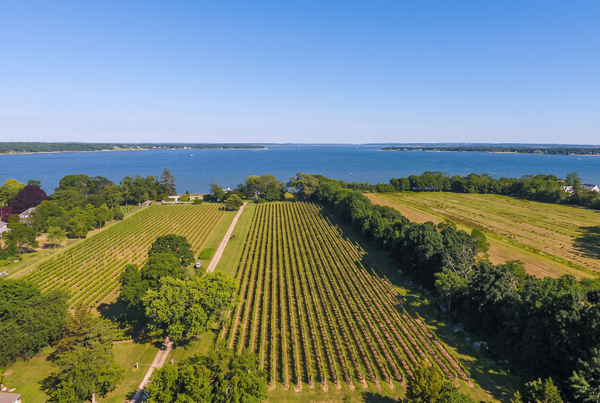
The action is in the hills along the eastern border, where two zones, Collio and Colli Orientali, do the heavy lifting. Their soil is the key: a crumbly, layered marl-and-sandstone the locals call ponca, which drains well and stresses the vine just enough to concentrate flavor. Whites grown on ponca taste mineral and precise. The region sits at a crossroads of climates. Cold Alpine air spills down from the north, the Adriatic warms the south, and the collision gives long, cool ripening. That is what preserves the bright acidity and floral aromatics Friulian whites are known for. Down on the plains, warmer and flatter, the wines turn simpler and softer.
4. Grapes and Styles
Crisp whites. Friulano (the local flagship, once called Tocai) is dry, medium-bodied, with pear, almond, and a savory edge. Pinot Grigio here is a world above the industrial norm: textured and real. Sauvignon and Ribolla Gialla add zip and citrus.
Amber / skin-contact whites. In the sub-zone of Oslavia, growers ferment white grapes on their skins for days or months. The result is "orange" wine: amber-colored, tannic, and nutty, closer to a red in structure than a white. Ribolla Gialla is the classic base.
Reds. Less famous but real. Merlot does well, and local grapes Refosco and Schioppettino give peppery, brisk reds.
5. Reading the Label
Friuli labels are grape-first: the big word on the bottle is usually the variety (Friulano, Pinot Grigio, Ribolla Gialla). The zone matters most for quality. "Collio DOC" and "Friuli Colli Orientali DOC" are the two hillside appellations to trust; "Friuli DOC" (formerly "Friuli Grave") covers the larger plains area and tends toward everyday wines. You will not see a separate word for orange wine on most labels; it is usually a white varietal made in a skin-contact style, so knowing the producer (Oslavia names like Gravner and Radikon) is the real guide. "Ramandolo" signals a sweet dessert white.
6. A Short History
Two turning points define modern Friuli. First, the 1960s and 1970s, when a technical revolution in cool, clean, temperature-controlled white winemaking put the region at the top of Italy's quality ladder. Second, the 1990s, when a small group in Oslavia deliberately went the other way, reviving the ancient practice of long skin contact and launching the global orange-wine movement. Friuli is unusual in having led Italian white wine in two opposite directions within one lifetime.
Did You Know? Friuli's flagship white grape was legally called "Tocai" until 2007, when a European Union ruling handed exclusive rights to the name's root to Hungary's Tokaj region. Overnight, growers had to relabel the wine simply "Friulano."
7. At the Table
Friulano is the classic partner for San Daniele prosciutto, the region's air-cured ham; the wine's savory, almondy note echoes the meat. Crisp whites suit seafood, risotto, and the local frico (a crisped cheese-and-potato cake). Serve them cold, about 48°F (9°C). Orange wines are the exception: serve them warmer, around 55°F (13°C), and treat them like light reds, pairing with roast poultry, curry, or aged cheese. Their tannins mean a short decant can help. Most Friulian whites drink best within a few years, though top skin-contact bottles age remarkably well.
Links
Regulatory body (Consorzio Tutela Vini Collio): https://www.collio.it
Official tourism board: https://www.turismofvg.it/en