

Wine has been made here since the 1550s, longer than almost anywhere in the Americas.
1. At a Glance
Itata lies in the Ñuble Region, about 250 miles (400 kilometers) south of Santiago near the city of Chillán. It is one of the oldest winegrowing areas in the Americas, its rolling granite hills carrying old bush vines of País, Moscatel and Cinsault. Its once-dismissed country wines are now the darlings of sommeliers.
Country: Chile
Main grapes: País, Moscatel de Alejandría, Cinsault, Cabernet Sauvignon
Signature styles: Light, chillable reds from País and Cinsault; dry, floral Moscatel whites; traditional pipeño
Climate: Humid Mediterranean, cooler and rainier than central Chile, with well-marked seasons
Key appellations: Itata Valley DO; Secano Interior for dry-farmed País and Cinsault
Vineyard area: Roughly 10,000 hectares (24,700 acres); the surrounding Ñuble Region recorded about 10,300 hectares in 2024 (SAG national vineyard census)
2. Why It Matters
Itata is Chilean wine's memory. Its vines predate the fashionable valleys by three centuries, its farming methods barely changed, and its grapes were dismissed as peasant material for most of the modern era. That neglect preserved something rare: a landscape of ungrafted old vines and small family growers. The valley's revival since the 2010s has given Chile a heritage wine culture to set beside its industrial one, and given drinkers some of the country's most original bottles.
3. Land and Climate
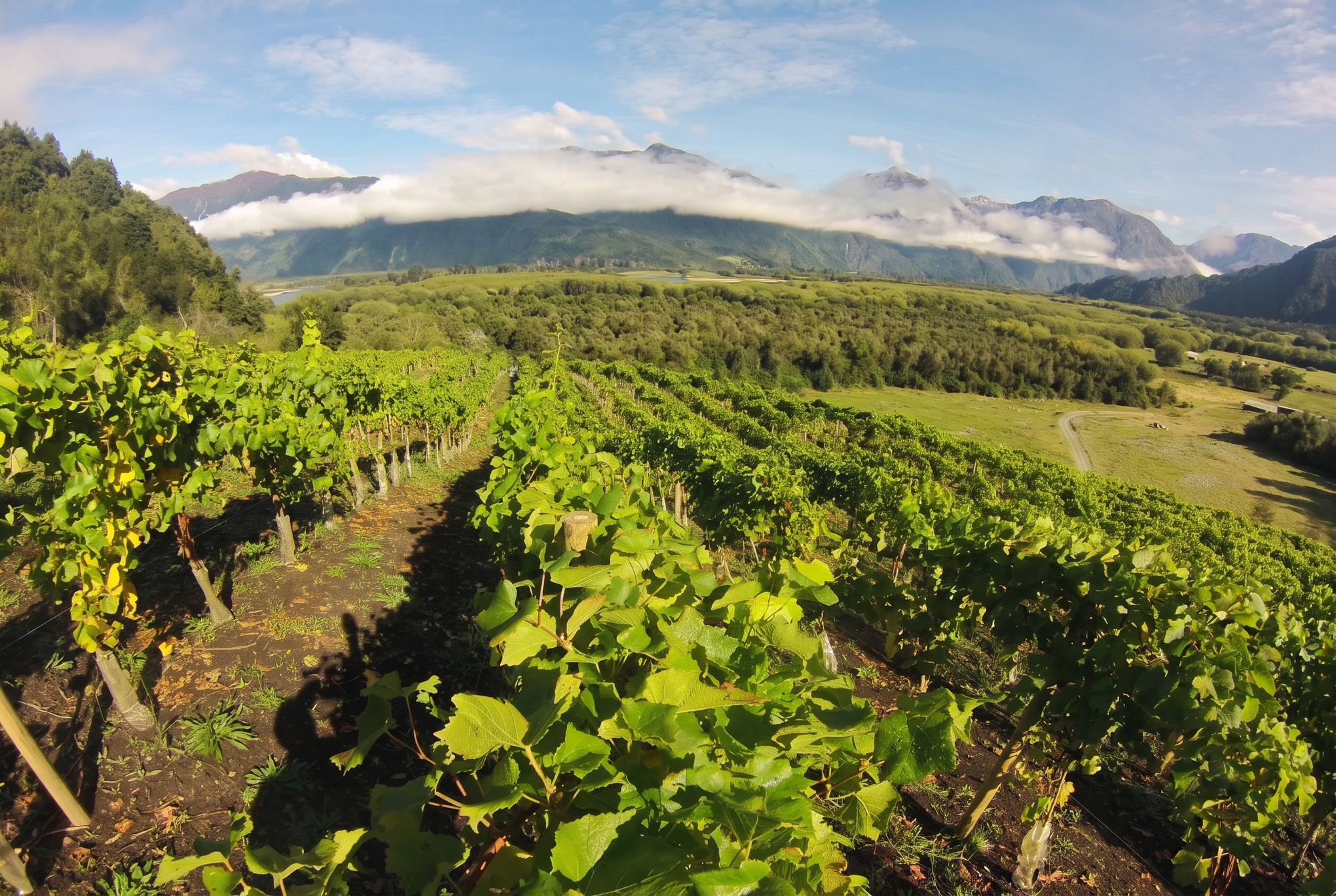
This is coastal-range country: soft granite hills, most vineyards within about 20 miles (30 kilometers) of the sea, planted on slopes rather than valley floor. The climate is humid Mediterranean, noticeably cooler than the Central Valley, with real winters and generous rain.
That rainfall is the region's quiet superpower. It falls mostly outside the growing season, but it soaks deep into the decomposed granite, and old vine roots follow it down. As a result most of Itata is dry-farmed, grown entirely without irrigation, something the irrigated center of Chile cannot claim. The granitic, sandy, quartz-flecked soils are poor in nutrients, which keeps yields low, and Pacific breezes stretch the season. The wines that result are moderate in alcohol, bright in acidity and marked by a stony character.
4. Grapes and Styles
País is the historic backbone, nearly 3,900 hectares (9,600 acres) in Wines of Chile's regional data published in 2023. Long used for bulk wine, in careful hands it makes pale, fragrant reds of cherry and raspberry with soft tannins (the grippy element in red wine), best served cool. Moscatel de Alejandría, at roughly 3,700 hectares (9,100 acres), is the white counterpart: intensely floral and grapey on the nose yet bone-dry on the palate, sometimes fermented on its skins into amber, textured versions.
Cinsault, brought south in the mid-20th century, has become the modern star. From old bush vines on granite it gives pale, peppery reds scented with strawberry and white pepper, closer in spirit to cru Beaujolais than to anything tropical. You will also meet pipeño, the traditional country wine sold young and slightly rustic, often in liter bottles. Cabernet Sauvignon and other international varieties, planted from the late 20th century onward, remain a minority presence.
One conviction worth stating: Itata's dry Moscatels deserve far more attention than they receive. Nothing else in Chile smells like them.
5. Reading the Label
“DO Itata Valley” (Denominación de Origen, or denomination of origin) certifies origin only. At least 75 percent of the grapes, the variety and the vintage must match what the label claims, with 85 percent the usual export standard. “Secano Interior” is an official denomination for País and Cinsault from specified unirrigated dry-land communes, and here it is a genuine badge of heritage farming.
Beyond that, Itata labels lean informal. “Viñas viejas” or “old vines” is unregulated but frequently accurate in a region where century-old plantings are common. “Pipeño” signals a traditional, unpolished style rather than a legal category. Named growers, hillside parcels and vine ages on back labels tell you more than any official term. You will rarely see “Reserva” or “Gran Reserva”; those alcohol-and-oak mentions belong to a style of winemaking this valley mostly avoids.
6. A Short History
Spanish colonists planted Itata's first vines in the 1550s, and the area near Concepción became one of colonial South America's important wine suppliers. The 20th century was unkind: the industry's center of gravity moved to the irrigated Central Valley, and Itata was relegated to anonymous bulk production. Decline continued through the 1980s. Rediscovery began in earnest in the 2010s, when terroir-minded winemakers recognized the worth of old vines and granite slopes, and began bottling the valley's identity instead of blending it away.
Did You Know? Chile has never suffered phylloxera, the root-eating louse that forced almost every vineyard in Europe to be replanted on grafted rootstocks. Itata's old vines therefore grow on their own original roots, and some parcels have been in continuous production for more than a century, tended by the same families.
7. At the Table
Treat Itata reds like versatile whites. Chill País and Cinsault to about 55°F (13°C) and they flatter fried empanadas, charcuterie, grilled salmon, even a mushroom stew; their acidity refreshes and their light tannin never bullies the food. Dry Moscatel is a gift with shellfish and with aromatic dishes, cilantro-heavy ceviche included, and it handles mild spice better than most whites. Serve it cold, 46 to 50°F (8 to 10°C). Pipeño is picnic wine; drink it young and cool, without ceremony. Almost nothing from Itata needs decanting, and only the most structured Cinsaults and skin-contact whites repay more than three or four years of cellaring.
Links
Official industry body: Wines of Chile — https://www.winesofchile.org/
Regulator and vineyard census: Servicio Agrícola y Ganadero (SAG) — https://www.sag.gob.cl/ambitos-de-accion/catastro-viticola-nacional
Official tourism board: Chile Travel, Wine Route — https://chile.travel/en/destinations/wine-route/