

Nine appellations ring the capital, one with ungrafted vines rooted in beach sand.
1. At a Glance
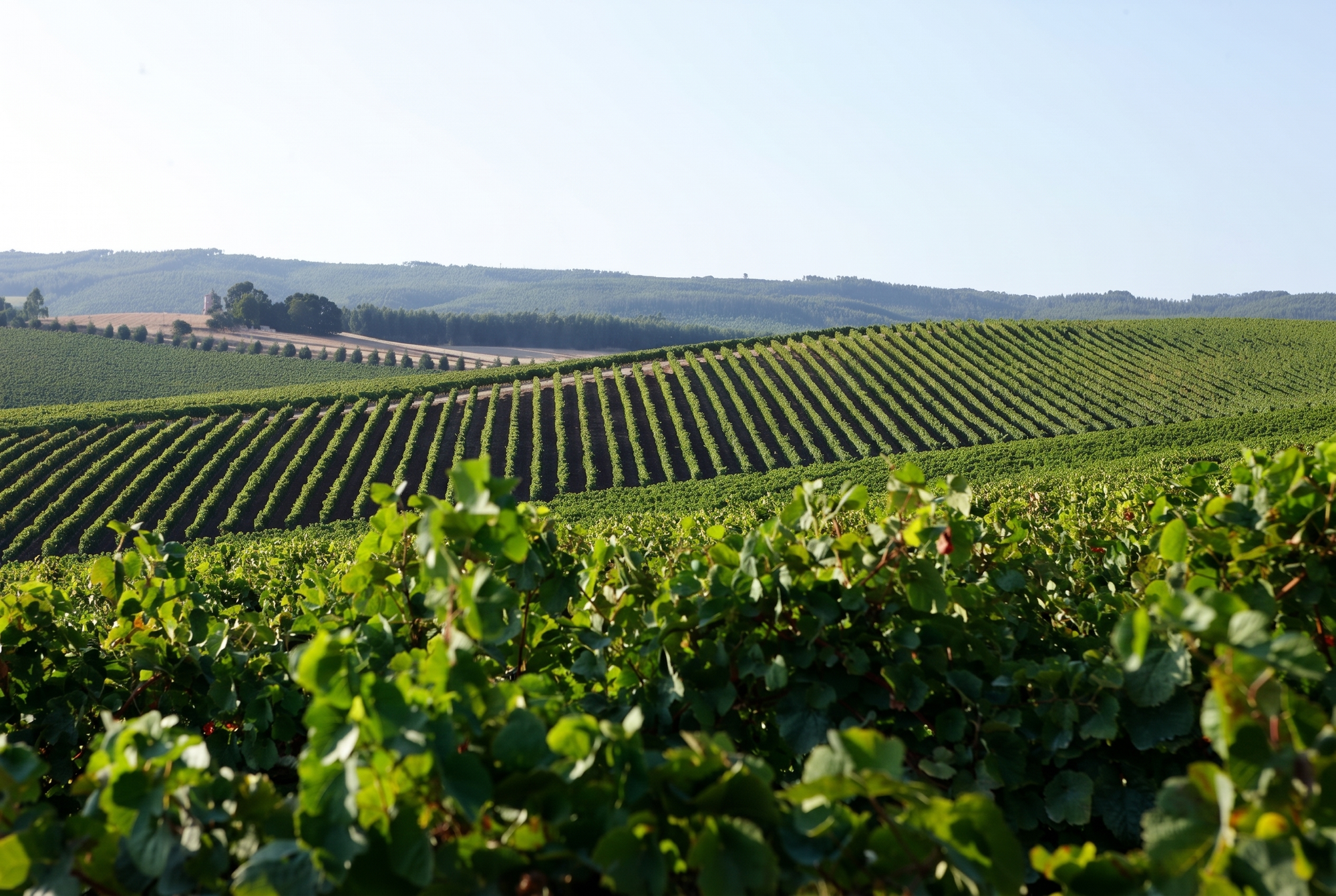
The Lisboa region runs about 90 miles (150 kilometers) up the Atlantic coast from the capital, a band of windy hills, limestone ridges, and seaside sand. It is one of Portugal's most productive wine areas and easily its most varied: nine small controlled appellations sit inside one big regional designation, covering everything from crisp whites and modern reds to a beach-grown red found nowhere else on earth. Few wine regions offer this much history within an hour of a major capital.
Country: Portugal
Main grapes: Arinto, Fernão Pires, Vital (white); Castelão, Aragonez, Touriga Nacional, Ramisco (red)
Signature styles: Fresh Atlantic whites; polished red blends; rare historic wines from Colares, Carcavelos, and Bucelas
Climate: Temperate maritime on the coast, warmer and drier inland
Key appellations: Nine DOCs, including Alenquer, Bucelas, Colares, Carcavelos, Óbidos, and Lourinhã; Vinho Regional Lisboa
Vineyard area: Published figures vary widely; no single reliable current number
2. Why It Matters
Lisboa supplies a huge share of Portugal's everyday wine, but its fame rests on three tiny survivors near the capital: Bucelas, whose Arinto whites the English drank centuries ago; Carcavelos, a once-celebrated fortified wine now nearly swallowed by suburbs; and Colares, where ungrafted vines in deep sand escaped the phylloxera plague that forced the rest of Europe onto grafted rootstock. Every one of the nine appellations sits within an easy day trip of Lisbon, which makes this the most visitable wine region in the country.
3. Land and Climate
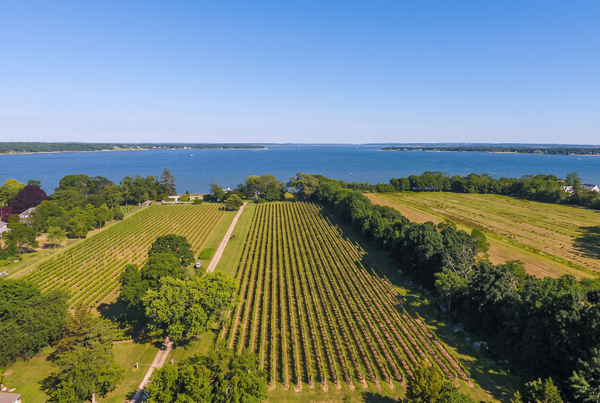
The Atlantic is the region's thermostat and its bully. Coastal vineyards face constant wind, salt spray, and autumn rain; grapes ripen slowly and keep sharp acidity, which is why the seaboard specializes in whites, sparkling wine, and even brandy. The Serra de Montejunto and neighboring ridges split the region lengthwise, and everything behind them is calmer, warmer, and drier, which is why the best reds come from inland Alenquer and Arruda.
Soils change just as fast: limestone and clay in the hills, giving structured wines; alluvial valley floors; and at Colares, pure dune sand so deep that growers historically dug pits to plant vines down at the moist base. The phylloxera root louse cannot survive in that sand, a quirk with historic consequences. Add annual rainfall around 24 to 28 inches (600 to 700 millimeters) and mild temperatures, and you get a region where freshness is the default setting.
4. Grapes and Styles
Whites come first here. Arinto is the queen of the region: lemony, mineral, high-acid, at its best in the limestone of Bucelas, where it makes still and sparkling wines that age gracefully into honeyed, waxy maturity. Fernão Pires and Vital cover the aromatic, easy end, and many of the region's old coastal parcels still hold ungrafted vines that producers now treat as heirlooms.
Reds divide by geography. Inland, Alenquer produces the region's most complete wines, blending Aragonez, Touriga Nacional, and Castelão with Syrah or Cabernet Sauvignon: dark-fruited, polished, fairly priced. On the coast, Colares grows Ramisco, a tannic, sour-cherry red from ungrafted vines that demands years of cellaring; the variety survives on only around 25 acres (10 hectares) of sand, which makes every bottle a small act of preservation.
The oddities are worth the detour. Carcavelos makes a nutty, amber fortified wine (wine strengthened with grape spirit) in vanishingly small quantities; Lourinhã is one of Portugal's rare appellations reserved for brandy; Óbidos leans into sparkling wine. Bucelas Arinto is the most reliable white-wine value within an hour of the capital, and I would take it over many pricier Portuguese whites.
5. Reading the Label
Most bottles you will meet say "Vinho Regional Lisboa," the broad regional category; it permits many grapes, including international ones, and covers styles from bargain blends to serious single-vineyard wines, so judge by producer rather than tier.
The nine DOCs (Denominação de Origem Controlada, the controlled appellations) appear on more specific bottles: Alenquer, Arruda, Bucelas, Carcavelos, Colares, Encostas d'Aire, Lourinhã, Óbidos, and Torres Vedras. A DOC name signals delimited vineyards and stricter rules. Note that before 2009 the regional wines were labeled "Estremadura," so older bottles carry that name. "Colheita" plus a year simply means vintage-dated.
6. A Short History
Lisbon's hinterland supplied the capital and its fleets for centuries, and its named wines traveled: Bucelas was known in England by the 16th century, sold there as "Lisbon Hock," and became fashionable again around the Peninsular War of 1808 to 1810. Phylloxera struck in the late 1800s and spared only sandy Colares. In the 20th century, urban growth devoured the vineyards nearest the city, shrinking Carcavelos and Colares to remnants, while EU-era investment rebuilt the inland districts around quality. The region traded the name Estremadura for Lisboa in 2009.
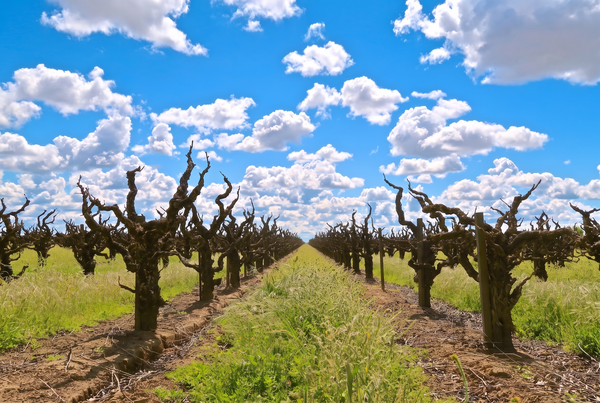
Did You Know? The Ramisco vines of Colares grow on their own roots in deep coastal sand, where the phylloxera louse cannot live. They are among the very few vineyard survivors of the plague that forced almost every other European vine onto grafted American rootstock in the late 19th century.
7. At the Table
This is Atlantic food country. Bucelas Arinto, chilled to 48 to 50°F (9 to 10°C), is built for oysters, clams, and grilled sardines; regional whites handle salt cod in any of its forms. Alenquer reds, at 61 to 64°F (16 to 18°C), suit roast pork and lamb, and drink well from three to ten years. Colares red demands patience and a decanter, then rewards you alongside game or aged cheese. Finish with a small glass of Carcavelos and a slice of almond tart, while the wine still exists to be poured.
Links
Regulatory body (CVR Lisboa, Vinhos de Lisboa): https://www.vinhosdelisboa.com
National promotion (Wines of Portugal): https://winesofportugal.com/en/discover/wine-regions/lisboa/
Official tourism board (Visit Lisboa): https://www.visitlisboa.com/en