

Six hundred miles of Chenin, Sauvignon, Cabernet Franc, and cellar-riddled limestone.
1. At a Glance
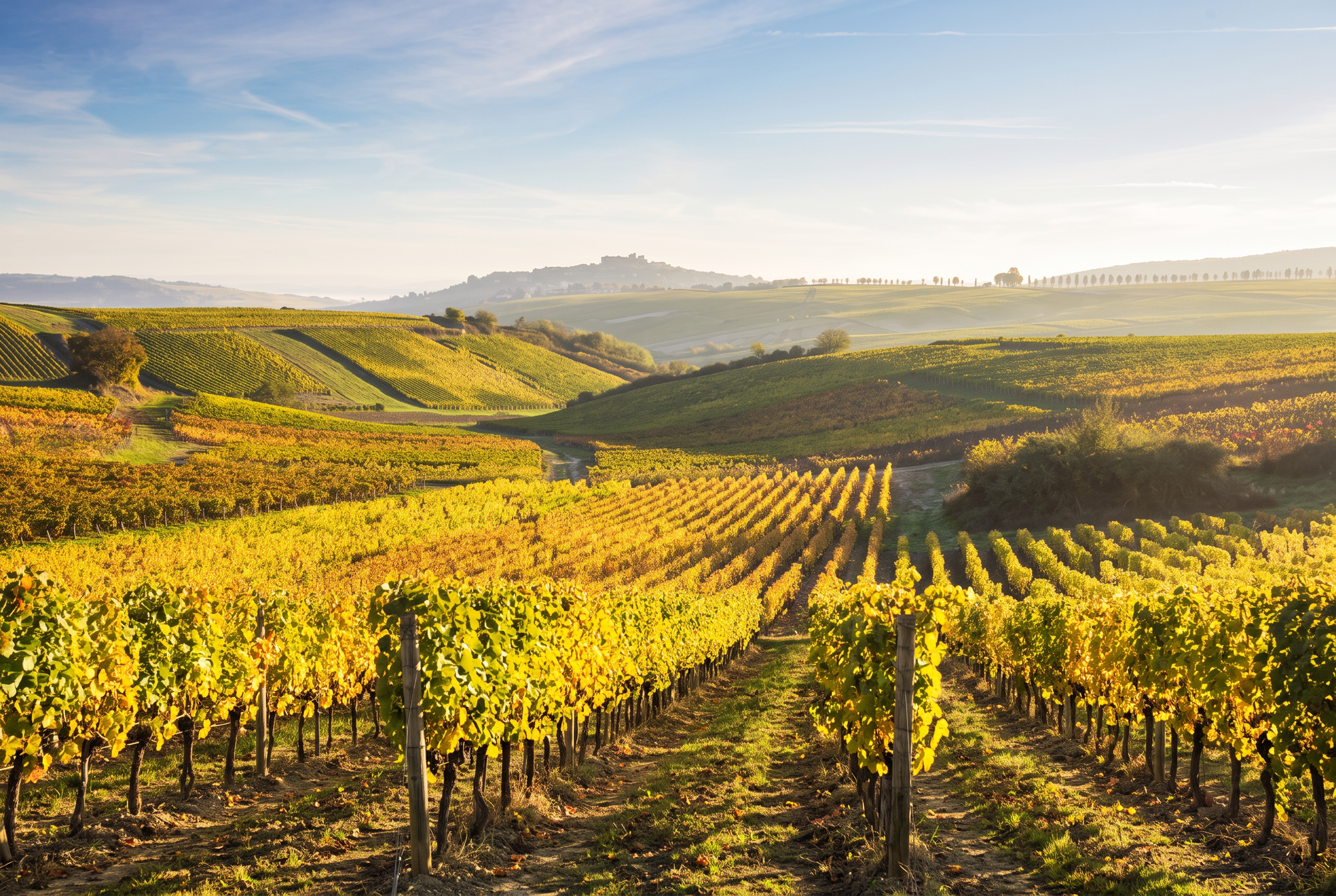
The Loire is France's longest river, and vines follow it for hundreds of miles, from Muscadet country at the Atlantic near Nantes to Sancerre in the center of the country. It is the most stylistically complete region in France: dry, sweet, still, sparkling, white, red, and rosé all made at a high level. InterLoire, the trade body covering most of the valley, counts about 104,000 acres (42,000 hectares) as of 2024; the Centre-Loire vineyards around Sancerre add several thousand more.
Country: France
Main grapes: Chenin Blanc, Sauvignon Blanc, Melon de Bourgogne, Cabernet Franc, Gamay, Pinot Noir
Signature styles: Crisp dry whites, sweet Chenin, Cabernet Franc reds, Crémant de Loire sparkling
Climate: Atlantic in the west, continental in the east
Key appellations: Muscadet, Savennières, Coteaux du Layon, Saumur, Vouvray, Chinon, Bourgueil, Sancerre, Pouilly-Fumé
Vineyard area: About 104,000 acres (42,000 hectares) under InterLoire as of 2024, plus the Centre-Loire vineyards
2. Why It Matters
The Loire is the world reference for three grapes at once: Chenin Blanc (Vouvray, Savennières, the sweet Layon wines), Sauvignon Blanc (Sancerre, Pouilly-Fumé), and Cabernet Franc (Chinon, Bourgueil, Saumur-Champigny). It is France's third-largest appellation region, and its sparkling arm is booming: exports hit a 25-year record of 200 million euros and 55 million bottles in 2024, led by Crémant de Loire, with bubbles making up 35 percent of export volume.
3. Land and Climate
The valley changes character as the river flows. In the mild, damp Atlantic west, Muscadet's flat vineyards yield light, briny whites built for shellfish. The middle valley, Anjou and Touraine, sits on tuffeau, a soft chalky limestone that was quarried for the châteaux; the empty quarries became wine cellars and even houses. Chenin Blanc grown on Savennières's schist turns out dry and severe, while on Vouvray's limestone and clay it spans every sweetness level.
Autumn fog off the little Layon river brings noble rot, the fungus behind the great sweet wines. Far upstream, Sancerre and Pouilly-Fumé have a continental climate and soils of limestone and flint (silex), which show up as the smoky, flinty edge in the local Sauvignon. Everywhere, the cool climate means acidity, the thread that ties the whole valley together and lets its wines age. It adds up to the longest wine route in France, about 500 miles (800 kilometers) of it.
4. Grapes and Styles
Whites lead. Melon de Bourgogne makes Muscadet, often aged "sur lie", on its yeast sediment, for extra texture. Chenin Blanc is the shape-shifter, running dry (sec) to lusciously sweet (moelleux, liquoreux) and sparkling besides; no French grape gives more styles per euro. Sauvignon Blanc from Sancerre and Pouilly-Fumé sets the global standard for the grape: gooseberry, citrus, gun-flint.
The signature red is Cabernet Franc: raspberry fruit, a pencil-shaving savor, and a leafy edge, from light, chillable Bourgueil to structured Chinon that ages 10 years and more. Gamay and Pinot Noir cover the lighter end; red and rosé Sancerre, both from Pinot Noir, are small in volume but fashionable and rising in quality. Rosé ranges from off-dry Rosé d'Anjou to bone-dry pinks, and Crémant de Loire is traditional-method sparkling made under stricter rules than ordinary fizz.
5. Reading the Label
Loire labels name appellations, the legally defined growing areas of French wine law, rather than grapes. With Chenin, the sweetness vocabulary is the whole game: sec is dry, demi-sec off-dry, moelleux sweet, liquoreux very sweet. Some Vouvray labels omit the word, so ask or check the producer's site before dinner.
Sancerre and Pouilly-Fumé are places, not grapes; both mean Sauvignon Blanc. Confusingly, plain Pouilly-sur-Loire is a different appellation using the Chasselas grape. "Sur lie" on Muscadet signals lees aging. Saumur-Champigny and Anjou-Villages mark the better red zones of the middle valley. "Vieilles vignes" is unregulated, here as everywhere.
6. A Short History
Royal France built its pleasure châteaux along this river, and the court's presence made Touraine a wine garden early. Dutch traders in the 1600s pushed the sweet whites of Anjou into northern Europe. Phylloxera, the root-eating vine pest, reshaped the east of the valley in the late 19th century, and the first AOC wave of 1936 included Vouvray, Sancerre, and Muscadet. UNESCO listed the central stretch of the valley, châteaux and vineyards included, as a World Heritage cultural landscape in 2000. After a mid-century detour into oceans of cheap off-dry rosé, the valley rebuilt its name on dry Chenin, Sauvignon, and Cabernet Franc.
Did You Know? Sancerre was red-wine country before phylloxera struck in the 1880s: its slopes, long under Burgundian influence, were planted mainly with Pinot Noir. When growers replanted on resistant rootstocks, they switched to Sauvignon Blanc, and the accident of a vineyard pest created the world's most famous Sauvignon appellation.
7. At the Table
Muscadet and oysters is the pairing that made the wine's name; the briny, taut white acts like a squeeze of lemon. Beurre blanc, the shallot butter sauce invented in the Nantes country, was made for river fish and a sur lie Muscadet. Sancerre with Crottin de Chavignol, the goat cheese from the very same hills, is the valley's other perfect local match. Serve Chinon or Bourgueil lightly chilled with rillettes, charcuterie, or roast pork. Demi-sec Vouvray flatters creamy chicken dishes and mildly spicy food, and a moelleux with tarte Tatin ends a meal properly.
Whites want 46 to 50°F (8 to 10°C), Cabernet Franc about 57°F (14°C). Drink Muscadet and rosé young. Top dry Chenin and the sweet wines age for decades; no decanting required anywhere.
Links
InterLoire (regulatory body): https://www.vinsdeloire.fr/en
Loire Valley Wines, InterLoire consumer site: https://www.vinsvaldeloire.fr/en/home
Touraine Val de Loire (official tourism site): https://www.tourainevaldeloire.com/en/