

Italy's answer to Champagne comes from here, and so does Nebbiolo grown at Alpine altitude.
1. At a Glance
Lombardy wraps around Milan in Italy's wealthy north. Its wine reputation rests on two very different places: Franciacorta, which makes Italy's most serious traditional-method sparkling wine, and Valtellina, a steep Alpine valley growing Nebbiolo on terraces.
Country: Italy
Main grapes: Chardonnay, Pinot Nero, Nebbiolo (local name Chiavennasca), Croatina
Signature styles: Traditional-method sparkling, Alpine red, still white
Climate: Continental, moderated by lakes and Alpine valleys
Key appellations: Franciacorta DOCG, Valtellina Superiore DOCG, Oltrepò Pavese DOC
Vineyard area: About 23,000 hectares registered (Istat, 2024 harvest)
2. Why It Matters
Franciacorta is the reason wine lovers take Lombardy seriously. It is made by the same labor-intensive method as Champagne, a second fermentation inside each bottle, and at its best it rivals the French model. Lombardy also holds Valtellina, one of the few places outside Piedmont where Nebbiolo, Italy's most noble red grape, makes great wine.
3. Land and Climate
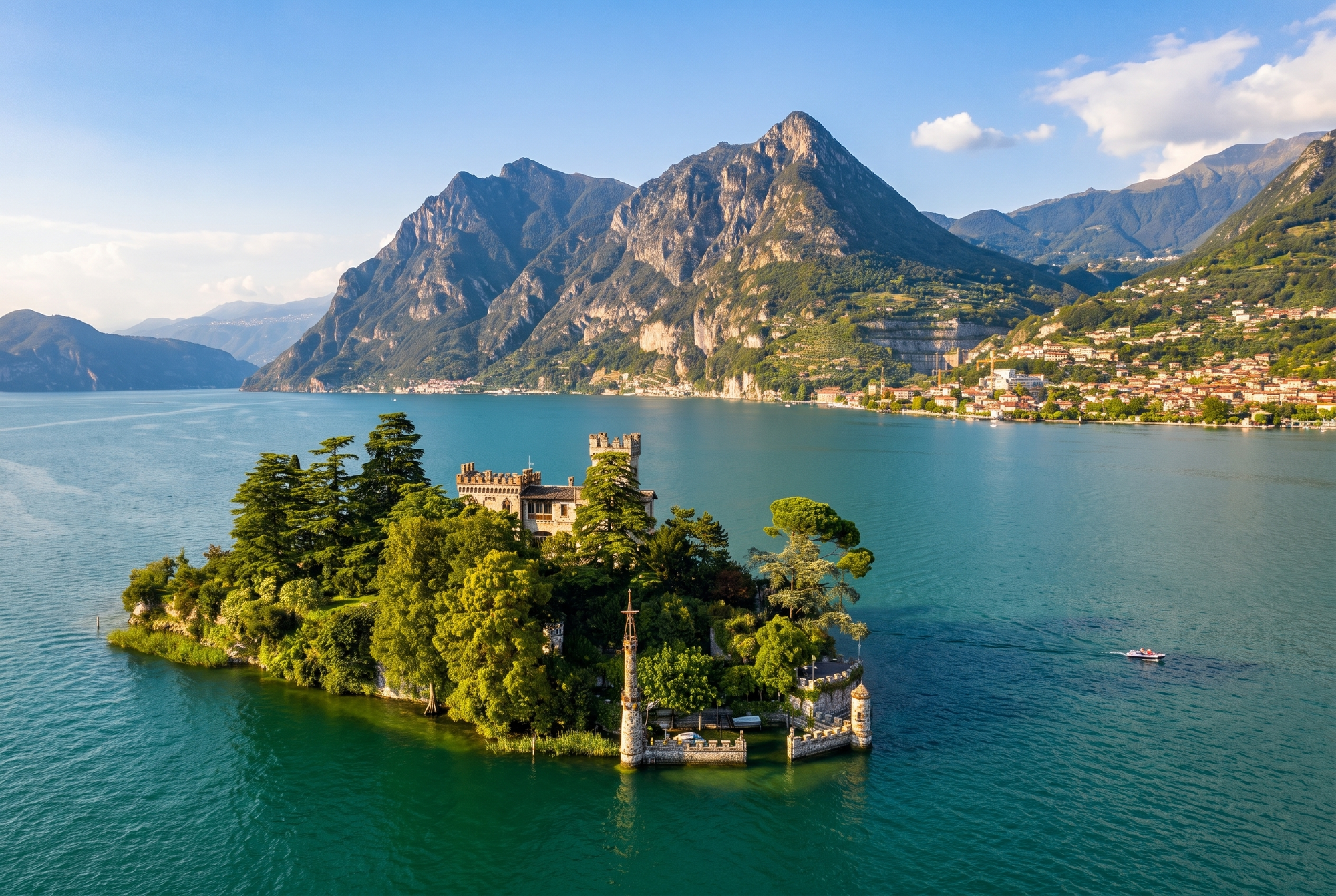
Lombardy's vineyards cluster in pockets, each shaped by a specific landform. Franciacorta sits in a gentle amphitheater of hills beside Lake Iseo; the lake moderates temperature and the morainic soil (gravel and sand left by ancient glaciers) drains fast, both ideal for the crisp base wines sparkling needs. Valtellina is the opposite: a narrow, near-vertical valley in the Alps where Nebbiolo grows on stone terraces facing south to catch every hour of sun. The terraces exist because the slope is too steep to farm otherwise, and that sun exposure is what ripens Nebbiolo this far north. Down south, the Oltrepò Pavese hills are warmer and make the bulk of the region's everyday wine.
4. Grapes and Styles
Sparkling. Franciacorta, from Chardonnay and Pinot Nero, is dry, fine-bubbled, and yeasty-complex from long aging on its lees (the spent yeast that adds bread and nut flavors during bottle aging). It is the top style Lombardy makes.
Alpine reds. Valtellina Superiore is Nebbiolo grown high and lean: pale, perfumed, high in acid, with red cherry and herbs. Sforzato di Valtellina is a richer, dried-grape version, powerful and warming.
Everyday wines. Oltrepò Pavese turns out a lot of Pinot Nero (much of it for sparkling base wine) plus easy reds from Croatina and Barbera, and simple whites.
5. Reading the Label
"Franciacorta" stands alone on the label; the word alone tells you it is the bottle-fermented sparkling wine, no need for the word spumante. On those bottles, "Satèn" means a softer, lower-pressure all-Chardonnay style, and "Riserva" means extra-long aging. For Valtellina, "Superiore DOCG" is the quality tier, often followed by a sub-zone (Sassella, Grumello, Inferno); "Sforzato" (or "Sfursat") signals the dried-grape red. Watch out for one trap: Valtellina labels rarely say Nebbiolo, because the local name for the grape is Chiavennasca. Same grape, different word.
6. A Short History
Franciacorta is a modern invention with an old-sounding name. Before the 1960s almost no one there made fine wine; the first estate dedicated to the sparkling style arrived in 1961, and the zone earned Italy's top DOCG rank in 1995. Its rise from nothing to national benchmark in a single generation is one of Italian wine's clearest success stories. Valtellina's story is the reverse: centuries-old terraces, painstakingly maintained by hand, now valued precisely because so few places still farm this way.
Did You Know? Franciacorta was the first Italian wine made only by the traditional bottle-fermentation method to receive DOCG status, in 1995, and the name refers to the wine, the method, and the zone all at once. There is no such thing as a still "Franciacorta."
7. At the Table
Franciacorta is versatile at the table: dry versions work as an aperitif or with fried food, seafood, and risotto (a Milanese classic pairing). Serve it cold, about 46°F (8°C). Valtellina's pale, high-acid Nebbiolo loves the local mountain food, bresaola (air-dried beef) and pizzoccheri (buckwheat pasta with cheese and cabbage); serve at 60°F (16°C). Sforzato, richer and stronger, suits game and aged cheese. Franciacorta and everyday Valtellina drink young; top Superiore and Sforzato bottles age well for a decade or more.