

Chile's biggest wine valley owes its prized old Carignan to a 1939 earthquake.
1. At a Glance
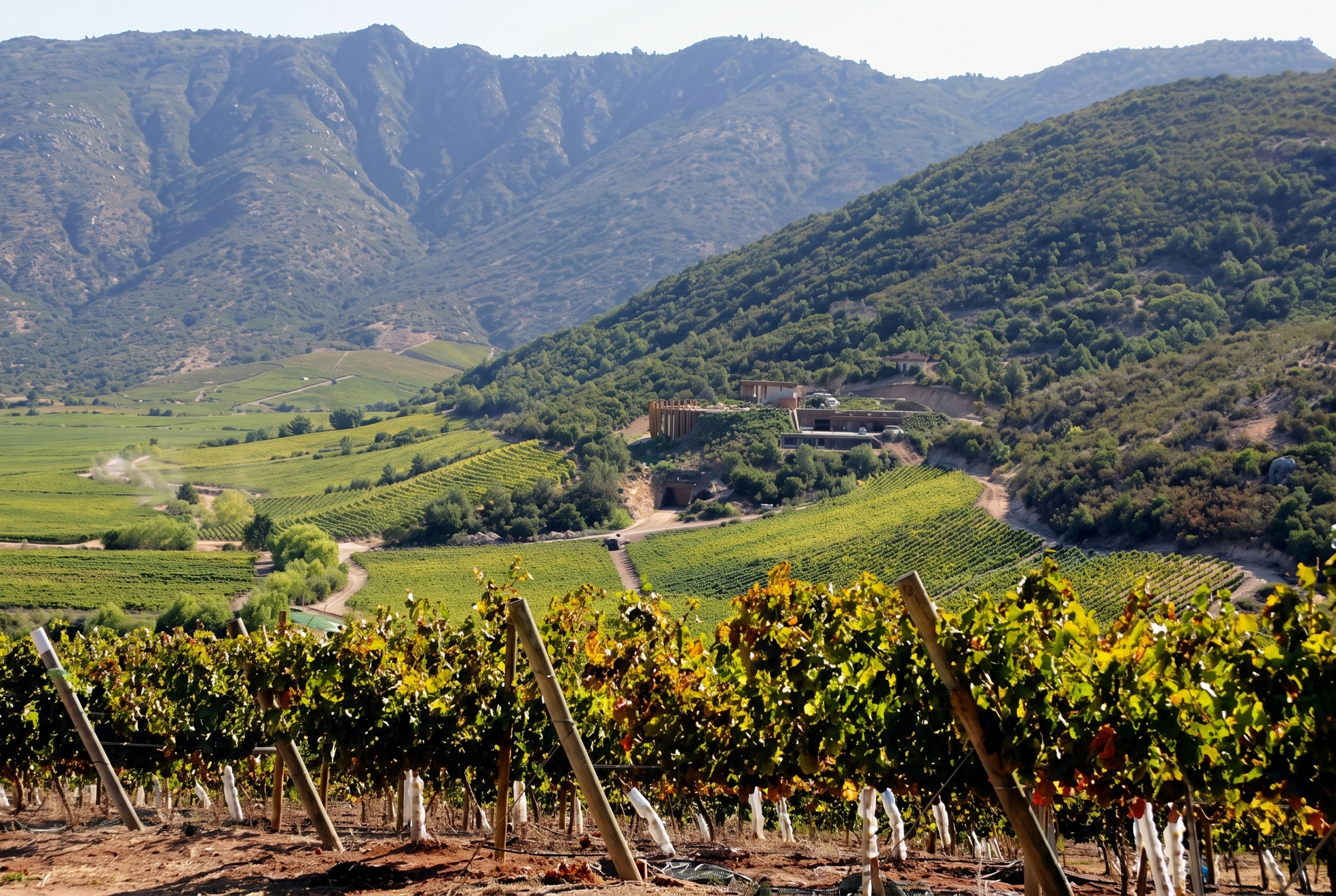
Maule stretches across the Central Valley about 155 miles (250 kilometers) south of Santiago. It is Chile's largest wine valley and its most two-faced: an engine of inexpensive everyday reds, and at the same time the keeper of the country's greatest trove of old, unirrigated vines.
Country: Chile
Main grapes: Cabernet Sauvignon, País, Merlot, Sauvignon Blanc, Carmenère, Carignan
Signature styles: Old-vine Carignan; light, chillable País; sturdy everyday Cabernet
Climate. Mediterranean and continental, with wide day-night temperature swings and no ocean influence
Key appellations: Maule Valley DO; Secano Interior special DO for dry-farmed País and Cinsault
Vineyard area: About 31,000 hectares (76,600 acres) among the leading varieties, the most of any Chilean valley (Wines of Chile data published 2023)
2. Why It Matters
Sheer scale, first: more Chilean wine starts life in Maule than anywhere else. But the valley matters most for what the modern industry once ignored. Its western hills hold thousands of acres of gnarled bush vines, some more than a century old, farmed without irrigation by small growers. The rediscovery of that patrimony, led by the Carignan producers of VIGNO, gave Chile its first old-vine fine-wine movement.
3. Land and Climate
Maule runs from the Andes across a flat, sunny central corridor to the coastal hills. Unlike Casablanca or Colchagua, it has no direct opening to the Pacific, so days are hot. The compensation comes at night, when cold air pours off the Andes and drops temperatures sharply. That wide daily swing slows ripening and locks aromatic intensity into the grapes; Maule Carmenère, for instance, is notably spicy and peppery.
The western zone tells a different story. The secano interior, the unirrigated dry lands of the coastal range, gets 25 to 30 inches (650 to 800 millimeters) of rain, almost all of it in winter, and essentially nothing in summer. Soils are poor, weathered granite. Only deep-rooted old vines survive there without irrigation, and they yield tiny crops of concentrated fruit. Hardship is the terroir.
4. Grapes and Styles
By area, Cabernet Sauvignon rules, about 10,600 hectares (26,200 acres) in Wines of Chile's data published in 2023, most of it destined for honest, affordable reds. Merlot, Sauvignon Blanc and Chardonnay fill similar roles.
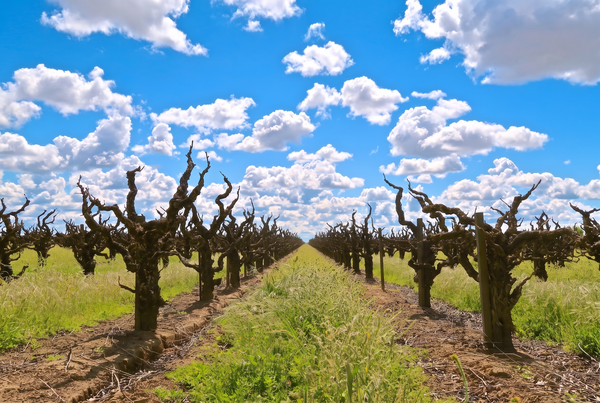
The interesting wines come from the heritage grapes. País, the Mission grape the Spanish brought in the 1500s, covers nearly 6,000 hectares (14,800 acres) and now makes pale, bright reds with a faint earthiness, meant to be drunk young and slightly cool. Cinsault works a similar register: fresh, low-tannin reds that take a light chill. Carignan is the flagship. Grown as dry-farmed bush vines, free-standing vines pruned low without trellis wires and given no irrigation, it yields deeply colored wine with piercing acidity, firm tannin (the grippy, drying element in red wine), red fruit and a floral, herbal thread. Bottles labeled VIGNO come from a producers' collective whose rules demand vines at least 30 years old, dry farming, a large majority of Carignan in the blend and roughly two years of aging before release.
The opinion, mild but firm: in Maule, skip the Cabernet and buy the Carignan.
5. Reading the Label
“DO Maule Valley” (Denominación de Origen, or denomination of origin) guarantees origin, not quality. At least 75 percent of grapes, variety and vintage must match the label, with 85 percent the practical export standard. Commune names such as Cauquenes point to the dry-farmed west.
Two special terms matter here. “Secano Interior” is an official denomination reserved for País and Cinsault grown in specific unirrigated dry-land communes; it is the state's nod to heritage farming. “VIGNO” is different: a private mark rather than a government appellation, but its rules on vine age, dry farming and aging are stricter than anything in Chilean wine law, so treat it as the more demanding stamp. “Reserva” and “Gran Reserva” mean slightly higher alcohol and, for the latter, oak contact. “Viñas viejas” (old vines) is unregulated; in Maule it happens to be true more often than not.
6. A Short History
Vines reached Maule in the colonial era, and for most of its life the valley made rustic País for Chilean tables. Through the 20th century it became the anonymous bulk supplier to the country's big brands, a poor rural zone far outside fashion. The turn came around 2010, when a dozen producers formed VIGNO to rescue old dry-farmed Carignan, launching the mark publicly in 2011. Sommeliers followed, then prices, then pride. The hills that once symbolized backwardness are now Maule's strongest argument.
Did You Know? Maule's prized Carignan exists because of a catastrophe. After the devastating 1939 Chillán earthquake wrecked the southern wine economy, Chile's agricultural authorities encouraged farmers to replant with Carignan to strengthen the pale local País wines. The rescue crop was then forgotten for decades, which is precisely why so many of those vines grew old enough to become valuable.
7. At the Table
Old-vine Carignan is built for pork and smoke. Chilean longaniza sausages, arrollado (rolled, spiced pork) and slow-roasted shoulder all meet its acidity head-on; grilled lamb works just as well. Serve it at about 60°F (16°C), decant young VIGNO bottlings for 30 to 60 minutes, and do not be afraid to cellar the best for a decade. País and Cinsault go the other way: chill them to 55°F (13°C) and pour them with empanadas, charcuterie or tomato-heavy dishes. Everyday Maule Cabernet asks for nothing fancier than a weeknight steak. Whites here are simple; drink them young and cold.
Links
Official industry body: Wines of Chile — https://www.winesofchile.org/
Producers' collective: VIGNO, Vignadores de Carignan — https://vigno.info/
Official tourism board: Chile Travel, Maule and Curicó valleys — https://chile.travel/en/attractions/maule-and-curico-valleys/