

A New Era for Portuguese Wine
Portuguese wine has long been celebrated for its unique, indigenous grape varieties, rich terroir, and centuries-old winemaking traditions. However, in recent decades, Portugal has embraced a new wave of technology and innovation, marking a modern renaissance in its winemaking approach. From precision viticulture to cutting-edge fermentation techniques, Portuguese wineries are integrating advanced technology to enhance quality, sustainability, and global competitiveness. This modernization not only preserves the distinctiveness of Portuguese wine but also opens new possibilities for innovation, making Portugal an exciting focal point in the global wine industry.
The Role of Technology in Revitalizing Tradition
Portugal's wine industry has historically been defined by its diverse landscapes, with regions like Douro, Alentejo, and Dão each producing distinctive wines from native grape varieties. Today, technology is helping producers harness the full potential of these unique regions by optimizing vineyard management and winemaking processes.
Many Portuguese wineries have incorporated technologies such as GPS mapping, drones, and sensor networks to monitor vineyard health, soil conditions, and environmental factors. These precision tools allow for a more nuanced understanding of terroir, enabling winemakers to identify microclimates and soil types within a single vineyard. By gaining granular insights, producers can tailor practices for each vineyard section, ultimately resulting in more expressive wines that showcase the specific characteristics of their region.
Precision Viticulture: Revolutionizing Vineyard Management
One of the most transformative technologies adopted by Portuguese wineries is precision viticulture. Through the use of GPS and data analytics, winemakers can monitor soil composition, water retention, and plant health, making it easier to manage vineyard resources efficiently. Drones, in particular, are gaining popularity for their ability to survey large vineyard areas and capture detailed images that reveal plant stress, disease, and growth patterns.
In Alentejo, for instance, where hot, dry summers challenge grapevines, wineries use satellite imagery and moisture sensors to optimize irrigation schedules, ensuring that each vine receives precisely the amount of water it needs. These technologies reduce water usage, a crucial benefit in regions prone to drought, while enhancing grape quality by minimizing vine stress. This data-driven approach supports sustainable practices while maintaining high-quality yields, helping Portuguese wineries to adapt to changing climate conditions without sacrificing wine quality.
Advances in Fermentation: Elevating Flavor Profiles
In the winery, Portugal’s approach to fermentation has seen a blend of traditional methods and modern technology. While many wineries still honor the country’s historical practices, such as foot treading grapes in stone lagares, they are also incorporating advanced temperature-controlled fermentation tanks and automated punch-down systems to manage the winemaking process with greater precision.
Temperature control during fermentation is vital for preserving aromatic compounds, particularly in white wines like Vinho Verde from the Minho region. Advanced fermentation tanks allow winemakers to adjust temperatures at each stage, retaining the fresh, crisp qualities that define these wines. Additionally, some Portuguese wineries are experimenting with yeast strain selection and bioengineering to achieve specific flavor profiles, controlling fermentation dynamics to enhance aromatics and structure in the final wine. This combination of tradition and technology enables producers to stay true to Portugal’s distinct wine styles while pushing boundaries in quality.
The Rise of Sustainable Winemaking Practices
As the global wine industry places greater emphasis on sustainability, Portugal is taking significant steps to adopt environmentally friendly practices. Technology is playing a pivotal role in helping Portuguese wineries reduce their carbon footprint and increase energy efficiency. Many wineries now use solar panels, geothermal energy systems, and rainwater harvesting to minimize resource consumption and reduce waste.
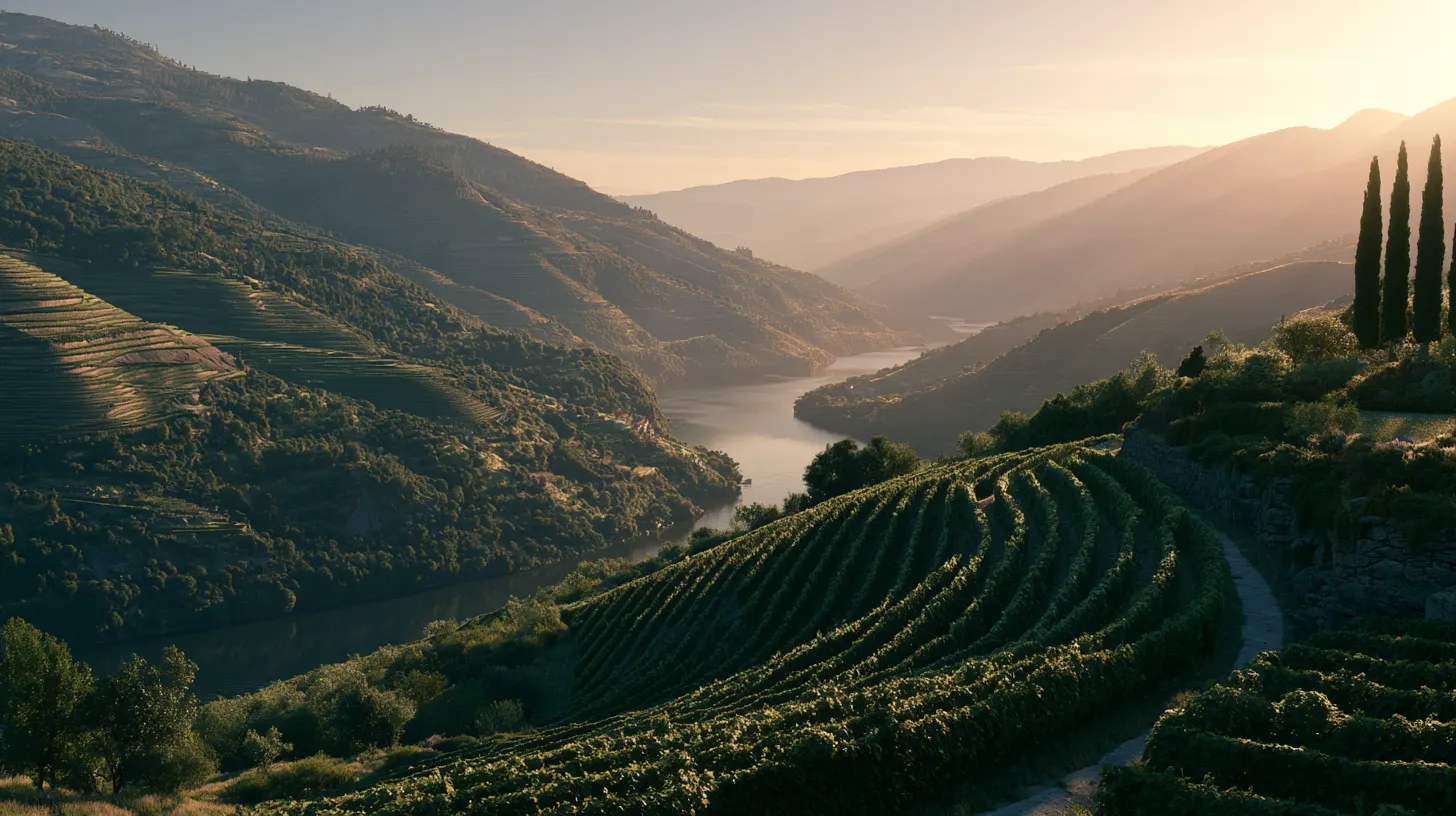
In the Douro Valley, where steep vineyards require careful soil management, some producers have adopted automated cover crop planting to prevent soil erosion and maintain biodiversity. Automated systems are also used to manage organic fertilization, reducing the need for synthetic chemicals and promoting soil health. In addition, wastewater treatment systems and composting have become standard at many wineries, further supporting a circular economy approach that benefits both the environment and the local community.
Blockchain and Traceability: Ensuring Authenticity and Quality
Blockchain technology is gradually making its way into Portuguese wine, particularly for high-end wines like those from the Douro and Alentejo regions. Blockchain enables wineries to create a secure, transparent record of each bottle’s journey from vineyard to consumer. This traceability not only assures customers of the wine’s authenticity and quality but also provides valuable insights into the production process, enhancing consumer confidence and engagement.
Using blockchain, Portuguese wineries can now offer a detailed history of each bottle, including vineyard location, grape variety, fermentation practices, and aging details. For example, a consumer purchasing a vintage Port wine can scan a QR code on the bottle to view its entire production history, adding a layer of trust and authenticity that is particularly important in the premium wine market. Blockchain also helps combat fraud by providing an unalterable record of each wine’s origin, a valuable tool in protecting Portugal’s reputation for quality on the global stage.
Artificial Intelligence and Data Analytics: Predicting and Adapting to Climate Challenges
Climate change presents an ongoing challenge for winemakers, and Portugal is no exception. In response, some Portuguese wineries are now leveraging artificial intelligence (AI) and data analytics to model climate scenarios and predict vineyard behavior under different conditions. These predictive tools help winemakers make proactive decisions about harvest timing, grape selection, and water management.
AI-driven software can analyze data from previous harvests, weather patterns, and soil conditions to forecast potential risks, such as heatwaves or rainfall. Armed with this information, wineries can adjust their practices in advance, reducing the impact of adverse conditions on grape quality. This proactive approach is particularly valuable in regions like the Douro Valley, where temperature fluctuations can dramatically influence ripening.
Portugal’s Embrace of E-commerce and Virtual Experiences
The digital transformation of the wine industry has also reached Portuguese wineries, many of which now use e-commerce platforms and virtual wine-tasting experiences to connect with consumers worldwide. E-commerce has made it easier for Portuguese wineries to reach new markets, particularly in regions where traditional distribution networks are limited.
Virtual wine tastings have allowed consumers to experience Portuguese wines from home, with wineries like Casa Ferreirinha and Herdade do Peso offering guided tastings led by winemakers via video calls. These online experiences introduce Portuguese wine to a broader audience, building brand loyalty and showcasing the unique qualities of Portugal’s diverse wine regions. This digital engagement has proven to be a valuable tool in sharing Portugal’s wine culture with an international audience, especially as the wine tourism industry adapts to a post-pandemic world.
A Bright Future for Portuguese Wine
Portugal’s adoption of new technology has allowed its wine industry to preserve its cultural heritage while embracing innovation. By integrating precision viticulture, sustainable practices, advanced fermentation methods, and digital engagement, Portuguese winemakers are enhancing both quality and environmental responsibility. These technological advancements, combined with Portugal’s deep-rooted tradition and commitment to authenticity, position the country as a forward-thinking leader in the global wine industry.
As Portugal continues to push the boundaries of modern winemaking, its wines are gaining well-deserved recognition on the world stage. With technology supporting the enduring character of Portugal’s terroir and traditions, the future of Portuguese wine is not only promising but also poised to inspire a new generation of wine enthusiasts worldwide.