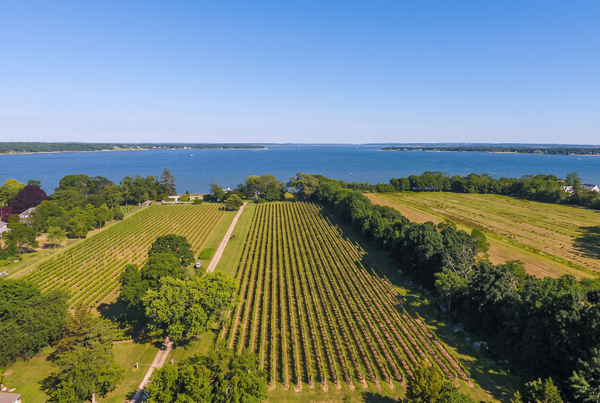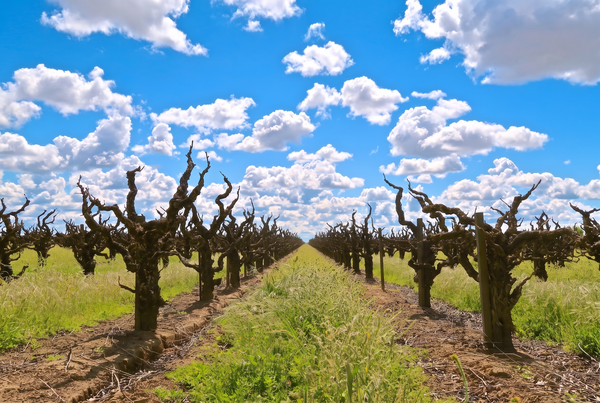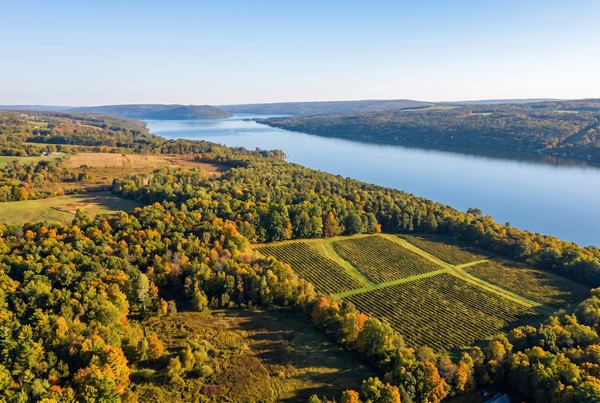


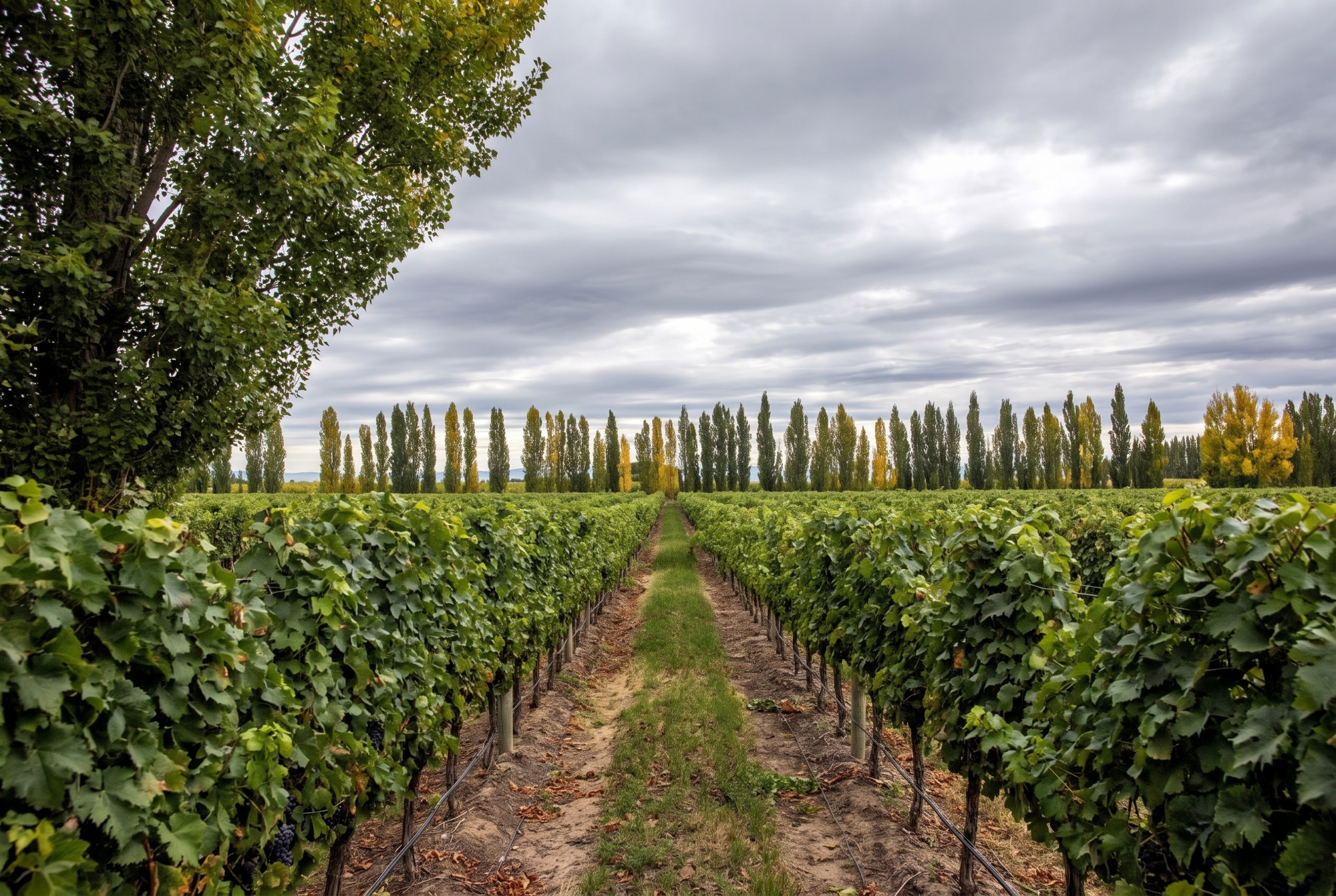
Century-old vines share this Patagonian river valley with apple and pear orchards.
1. At a Glance
Río Negro is the historic core of Patagonian wine, a ribbon of irrigated green running along its namesake river through the northern Patagonian desert. Wine here is a boutique affair inside a fruit economy; the valley grows far more apples and pears than grapes. What it offers is rare in Argentina: a genuinely cool, dry climate at low altitude, some of the country's oldest vines, and reds and whites built on restraint rather than power. The INV, Argentina's national wine regulator, recorded about 1,200 hectares (3,000 acres) of vines in 2024, less than one percent of the national total and down 23 percent over the previous decade.
Country: Argentina
Main grapes: Malbec, Merlot, Pinot Noir, Semillón, Sauvignon Blanc
Signature styles: Fragrant mid-weight reds, old-vine whites, traditional-method sparkling wine
Climate: Cool, dry, windy desert, moderated by latitude rather than altitude
Key appellations: Alto Valle de Río Negro (General Roca, Mainqué), Valle Medio, Valle Inferior
Vineyard area: About 1,200 hectares / 3,000 acres (2024, INV)
2. Why It Matters
Most Argentine regions chase freshness by climbing the Andes. Río Negro gets it by heading south, to about 39°S, where long, cool ripening seasons produce Pinot Noir and Merlot with a distinctly European accent. It holds Patagonia's oldest wine history, and its small output carries an outsized reputation among sommeliers, led by cult producers working plots planted in the mid-1900s.
3. Land and Climate
The Río Negro forms where two Andean rivers, the Neuquén and the Limay, meet, then flows about 330 miles (530 km) east to the Atlantic. Irrigation canals built around the turn of the 20th century turned its upper valley, the Alto Valle, into farmland. Vineyards sit on old river terraces: sandy and stony up high, lime-rich loam lower down, all of it free-draining, which keeps vines lean and yields modest. Plantings concentrate in the Alto Valle around General Roca and Mainqué, with smaller pockets downstream in the Valle Medio and near the river's Atlantic mouth.
The climate is desert-dry, with hot summer days and cold nights, but the southern latitude stretches the season. Grapes hang longer and ripen slowly, trading raw power for aroma and finesse, and alcohol levels stay moderate. Patagonia's constant wind is a co-author: it thickens grape skins, deepening color in the reds, and dries the air so thoroughly that fungal disease is rare, which makes organic farming unusually straightforward here.
4. Grapes and Styles
Pinot Noir carries the flag: pale to mid-ruby, scented with red cherry, silky, closer in spirit to Burgundy than to anything from Mendoza. Merlot arguably performs better here than anywhere else in Argentina, giving fine-grained tannins, forest fruit, and cocoa. Old-vine Malbec, with some parcels dating to the 1950s, comes out polished and floral rather than plush.
The whites are the sleeper. Río Negro keeps old plantings of Semillón, a white grape from Bordeaux, that yield waxy, citrus-and-herb wines built to age; they deserve far more attention than they get. Sauvignon Blanc, plus small lots of Riesling and Trousseau (a light French red), round out the eccentric edges.
Cool climate and bright acidity also mean serious sparkling wine, much of it made by the traditional method, in which the bubbles form during a second fermentation inside the bottle. Pinot Noir and Chardonnay grown here provide exactly the kind of base that style needs. Names worth knowing include Humberto Canale, the valley's historic house, and boutique projects such as Noemía and Chacra, whose Pinot Noir has a global following.
5. Reading the Label
Bottles usually lead with “Patagonia,” which sells well abroad, so check the fine print for the province and the IG, short for Indicación Geográfica, the protected geographic indication naming where the grapes grew. “Alto Valle de Río Negro” or a locality such as Mainqué signals the historic core. A named grape means at least 85 percent of that variety under Argentine law. “Reserva” requires 12 months of aging for reds and 6 for whites; “Gran Reserva” doubles both. Fantasy terms like “Premium” have no legal meaning, so with wines this scarce, the producer's name is your real guarantee. Note that neighboring Neuquén shares a nearly identical climate and the same Patagonia branding; the province line on the back label tells the two apart.
6. A Short History
Canals and the railway opened the Alto Valle around 1900, and wine followed almost immediately; the region's founding winery dates to 1909. Fruit paid better, though, and through the 20th century apples and pears took over the valley while vineyards slowly shrank, losing another 23 percent between 2015 and 2024 (INV). The revival came from outside: since the early 2000s, small European-backed projects have rescued old parcels and rebuilt the region's name around Pinot Noir, Merlot, and old-vine Malbec.
Did You Know? Patagonia's oldest winery is here and still running. Humberto Canale was founded in 1909 near General Roca, with estate vineyards planted from 1912; five generations of the same family later, its old blocks of Semillón and Malbec remain in production.
7. At the Table
Patagonian lamb, roasted slowly beside an open fire, is the textbook match for Río Negro Pinot Noir; serve the wine lightly chilled, around 55 to 57°F (13 to 14°C). Merlot pairs with mushroom dishes and braised beef. The old-vine Semillón is terrific with river trout, another local staple, and with roast chicken; pour it at 48 to 52°F (9 to 11°C). Most reds here are ready on release and rarely need decanting, though top Pinot Noir and Malbec bottlings can develop for a decade, and aged Semillón is a reward for the patient. The sparkling wines make a fine start to any meal.
Links
National wine regulator (INV): https://www.argentina.gob.ar/inv
Official tourism board (Visit Argentina): https://www.argentina.travel
Wines of Argentina, Río Negro profile (in Spanish): https://www.winesofargentina.org/es/provinces/rionegro