

Wheat country whose forgotten bush vines started South Africa's biggest wine rebellion.
1. At a Glance
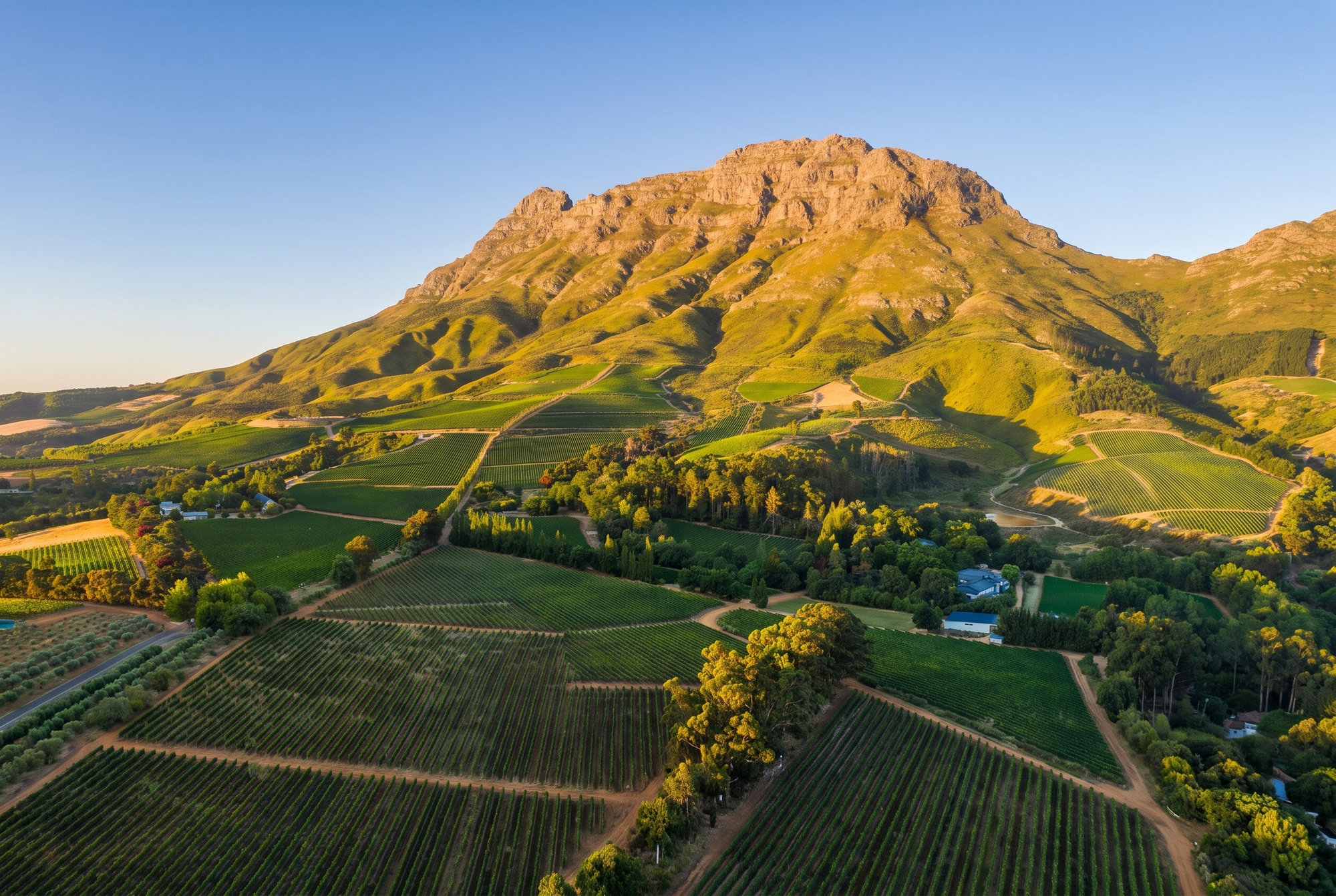
The Swartland is a broad sweep of wheat fields and low hills about 40 miles (65 kilometers) north of Cape Town. For decades its grapes disappeared anonymously into cooperative cellars. Then a handful of independent winemakers discovered its old, unirrigated vines and turned the district into the most talked-about source of Chenin Blanc and Syrah in the country. The look matches the story: no manicured show farms, just open plains, granite hills, and cellars in converted sheds. Roughly 30 producer cellars now work here, still few for a district this size.
Country: South Africa
Main grapes: Chenin Blanc, Syrah (Shiraz), Grenache, Cinsaut, Carignan, Pinotage
Signature styles: Old-vine Chenin Blanc, Rhône-style red blends, savory Syrah
Climate: Hot, dry Mediterranean; farming mostly without irrigation
Key appellations: Wine of Origin Swartland, a district of the Coastal Region
Vineyard area: About 28,600 acres (11,585 hectares) as of 2024 (SAWIS)
2. Why It Matters
The Swartland rewrote the rules of South African wine. From about 2000 onward, producers such as Sadie Family Wines and Mullineux proved that neglected old vineyards here could yield wines ranked among the country's best, made with minimal additives and sold at serious prices. The "Swartland Revolution" festival (2010 to 2015) broadcast that message worldwide. Every South African region now talks about old vines; the Swartland made them fashionable.
3. Land and Climate
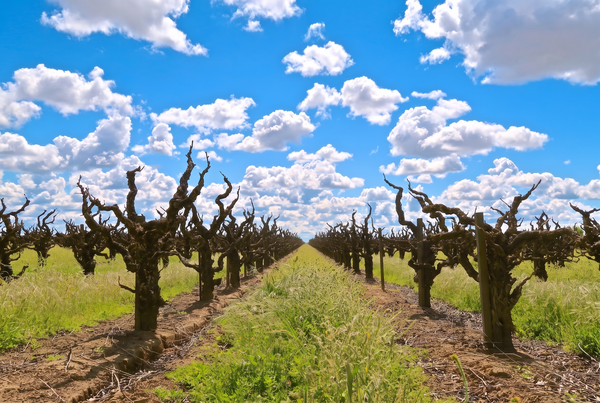
This is dry country. Rain falls mostly in winter, summers run hot, and many vineyards receive no irrigation at all, a practice called dryland farming. Vines cope because most are bush vines, untrellised plants pruned into low, free-standing bushes whose roots dig deep for winter moisture. The cost is tiny yields; the payoff is concentration. Two rock types shape the flavors. Iron-rich Malmesbury shale across the rolling interior gives broader, more powerful wines. Decomposed granite on the Paardeberg and Kasteelberg hills gives finer, more mineral ones. Atlantic air drifting up the Berg River valley takes the edge off the heat on the western side. Hot land, old roots, and poor soils explain the Swartland glass: modest alcohol is rare, but so is dilution. These are dense wines with a savory streak.
4. Grapes and Styles
Chenin Blanc rules the white wines. From old bush vines it delivers baked apple, stone fruit, and honey with a saline, stony finish, and it anchors the region's celebrated white blends, often with Grenache Blanc, Clairette, or Verdelho in support. The reds lean on Syrah, usually spelled Shiraz locally: peppery, meaty, and firm rather than jammy. Producers frequently blend it with Grenache, Mourvèdre, Cinsaut, and Carignan in the style of France's southern Rhône Valley, which shares this hot, dry profile. Light, fragrant Cinsaut on its own is a growing specialty. Winemaking here skews natural: wild-yeast fermentation (letting ambient yeasts start the job instead of adding a commercial strain), older barrels instead of new oak, and little correction in the cellar. Expect texture and earth, not fruit-bomb polish. A quiet strength is straw wine, a dessert style made by drying grapes on straw mats until the juice concentrates; Chenin versions are small in volume but memorable. One opinion for the road: Swartland Cinsaut, light enough to chill, is the most drinkable red the Cape currently makes.
5. Reading the Label
"Wine of Origin Swartland" (or "W.O. Swartland") certifies that every grape in the bottle grew in the district; the Wine of Origin system is South Africa's government-run scheme, running since 1973, that audits origin, vintage, and variety claims. A stated variety or vintage must make up at least 85 percent of the wine. The label worth hunting for here is the Old Vine Project's "Certified Heritage Vineyards" seal, which guarantees the vines are at least 35 years old and prints the planting date on the bottle. Older bottles may carry the logo of the Swartland Independent Producers, a now-disbanded growers' charter that required 100 percent Swartland fruit and natural production; the logo still signals a certain style. Producer names matter more here than vineyard names, so the front label is usually simple and the useful details sit on the back.
6. A Short History
The name Swartland appears in records from 1701, and for two centuries the district grew grain and livestock, with vines as a sideline. The Swartland Cooperative, founded in 1948, bought most of the fruit for bulk wine. Charles Back's Spice Route winery arrived in 1997, Eben Sadie followed in 1999, and a wave of independents in the 2000s turned the old co-op vineyards into the raw material of a fine-wine district. The regional wine route itself dates to 1986.
Did You Know? Swartland means "the black land." Early Dutch settlers named it for the renosterbos, a native shrub that once covered these plains and darkens to near-black in the dry season, making whole hillsides look burnt from a distance.
7. At the Table
Swartland Syrah blends are stew wines: try them with lamb potjie, the slow-cooked South African pot stew, or oxtail. Their savory grip also suits game and mushroom dishes. Old-vine Chenin Blanc has the weight for roast pork, grilled crayfish, or cream-sauced pasta. Serve the reds at 60 to 64 degrees Fahrenheit (16 to 18 Celsius) and decant young Syrah for an hour; it is usually tight on opening. The whites show best around 50 Fahrenheit (10 Celsius), not ice cold, or you lose their texture. Top examples of both colors improve for 8 to 15 years.
Links
Swartland Wine & Olive Route (regional route): https://swartlandwineandolives.co.za
Old Vine Project (heritage-vineyard certification): https://oldvineproject.co.za
Wines of South Africa (national promotion body): https://www.wosa.co.za