

A river-plain bulk producer that renamed itself and rebuilt around quality.
1. At a Glance
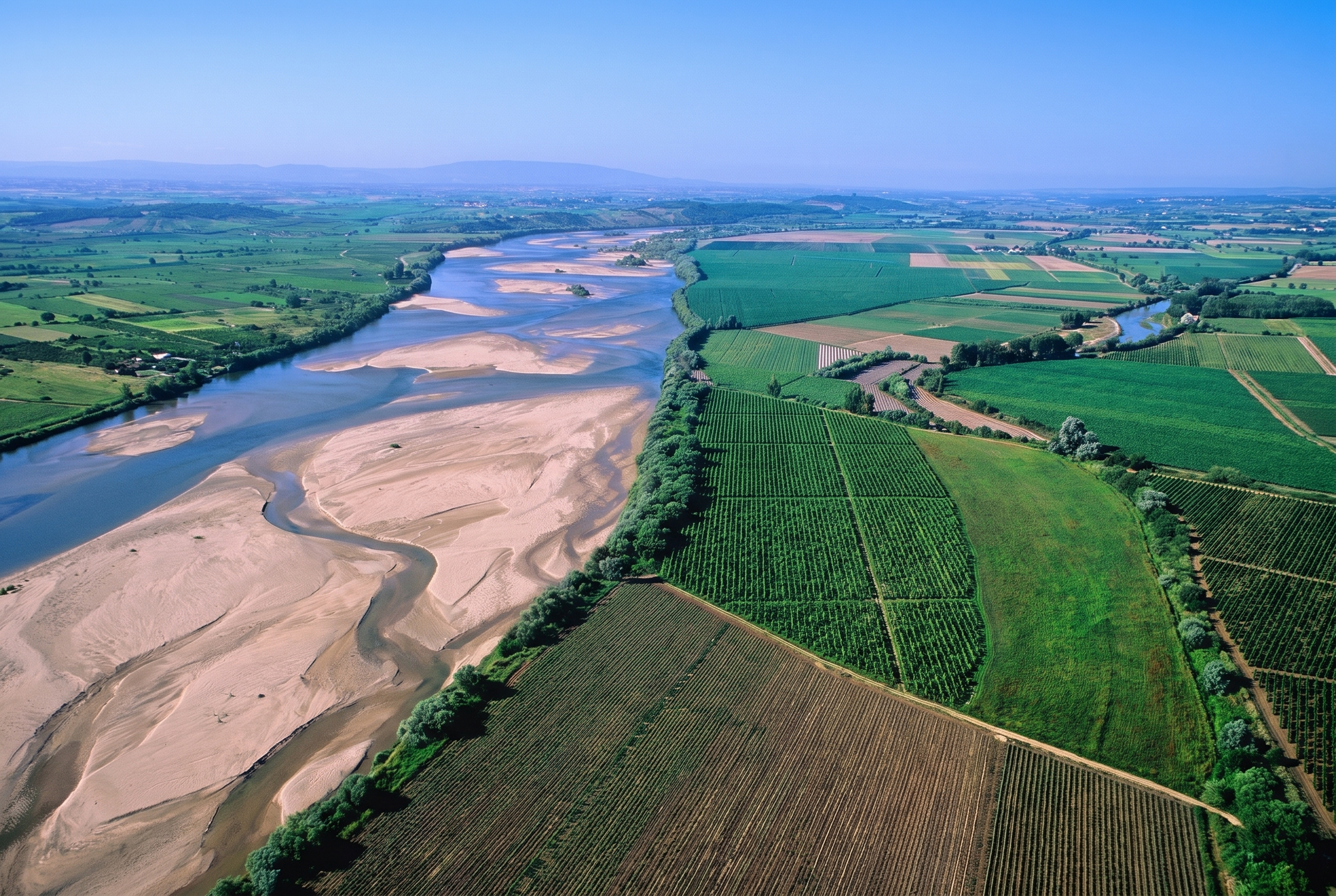
The Tejo region spreads across the plains of the Tagus River (Tejo in Portuguese) northeast of Lisbon, in Portugal's agricultural heartland of grain, cork, horses, and vines. For most of the 20th century it shipped cheap wine in volume. Since taking the river's name in 2009, it has moved its vineyards to better ground and become the country's dependable source of honest, affordable bottles. This is also bullfighting and Lusitano horse country, and several wine estates double as stud farms.
Country: Portugal
Main grapes: Fernão Pires, Arinto (white); Castelão, Trincadeira, Touriga Nacional, Aragonez (red)
Signature styles: Aromatic everyday whites; supple, fruit-forward reds
Climate: Temperate Mediterranean, moderated by the river; about 2,800 sunshine hours a year
Key appellations: DOC do Tejo with six subregions; IG Tejo (Vinho Regional)
Vineyard area: Reported figures vary; the region accounts for roughly 10 percent of Portugal's wine production (mid-2020s)
2. Why It Matters
The Tejo is Portugal's value engine. Fertile land, a benign climate, and a long habit of supplying Lisbon made it a volume region; a deliberate turn since the 2000s, pulling vines off the richest floodplain soils and betting on native grapes, made it a quality one. Roughly a tenth of Portugal's wine still comes from here, and a growing share of it leaves the country. If you want to see how much Portuguese wine five to twelve dollars can buy, start here.
3. Land and Climate
The river runs the show. Three zones fan out from it, and each has a consequence. The Campo, the alluvial floodplain along the banks, is so fertile that vines overproduce; most vineyards have been moved off it in favor of tomatoes, corn, and pasture for the region's famous bulls and Lusitano horses. Rainfall runs roughly 20 to 30 inches (500 to 750 millimeters) a year, nearly all of it in winter, with the north of the region wetter than the south.
The Bairro, rolling clay-limestone hills on the right bank, now grows much of the serious red and white wine. The Charneca, the sandy, poorer plain on the left bank, forces vines to struggle, and struggle concentrates flavor; many of the best modern plantings sit in this sand. Rain falls mostly in winter, summers are hot but tempered by the river, and sunshine is abundant, so ripeness is rarely a problem. Restraint is the challenge, not ripeness. Vines share this landscape rather than dominate it: cereals, olives, cork oak, and rice paddies fill the gaps, and the region reads as farmland with vineyards, not the reverse.
4. Grapes and Styles
Whites lead the plantings, and one grape leads the whites: Fernão Pires, the region's most planted variety, aromatic and gently spicy, smelling of citrus blossom and grapes themselves. It appears in everything from simple thirst-quenchers to skin-fermented experiments, and single-variety bottlings have multiplied in the past decade. Arinto backs it up with acidity, and Alvarinho, Verdelho, and Sauvignon Blanc fill out modern white blends.
Reds center on Castelão, the region's traditional grape, with cherry fruit and an earthy edge, alongside Trincadeira, Aragonez (Tempranillo), and Touriga Nacional for structure and polish. International varieties such as Syrah and Cabernet Sauvignon arrived in the 1990s, helped modernize the vineyards, and remain common in regional-tier blends.
The style across the board is approachable: clean fruit, moderate alcohol, soft tannins, wines made for weeknights rather than cellars, and priced accordingly. Old-vine Fernão Pires is the region's most underrated bottle, and producers are finally treating it as a flagship.
5. Reading the Label
Two tiers cover the region. "IG Tejo" or "Vinho Regional Tejo" is the broad regional category (IG stands for Indicação Geográfica, a protected geographical indication); it accounts for the large majority of what is bottled and allows a wide range of grapes.
"DOC do Tejo" is the stricter controlled appellation (Denominação de Origem Controlada), limited to delimited zones and approved varieties; one of six subregion names, Almeirim, Cartaxo, Chamusca, Coruche, Santarém, or Tomar, may appear with it, though in practice subregion labeling is uncommon. "Reserva" and "Grande Reserva" signal riper, longer-aged selections, and "Colheita" plus a year simply states the vintage. Before 2009, the same wines were labeled "Ribatejo," a name you may still meet on older bottles.
6. A Short History
Wine has moved down the Tagus toward Lisbon and the sea since Roman times, and by the late 13th century the region was shipping wine to England by the tens of thousands of barrels a year. In the 20th century, state-run cooperatives locked the region into bulk production. EU membership funded modernization, and in 2009 producers dropped the old name Ribatejo for Tejo, pairing the rebrand with a genuine shift of vineyards onto poorer, better soils.
Did You Know? By the end of the 1200s, Tagus-basin producers were already exporting wine to England on a scale of tens of thousands of barrels a year, centuries before Port existed as a trade. The river that now defines the region's name was then its highway to the sea.
7. At the Table
Tejo wines suit the local river-and-pasture kitchen. Pour a chilled glass of Fernão Pires, at 48 to 50°F (9 to 10°C), with fried river fish, eel stew, or salt-cod fritters; its aromatics also handle spicier food than most Portuguese whites, which makes it a quiet weapon with takeout. Castelão and Trincadeira reds, served at 61°F (16°C), match grilled pork, game birds, bean stews, and semi-cured cheeses. Almost everything is built to drink on release; decanting is unnecessary except for top Reservas, and few bottles need more than five years of patience.
Links
Regulatory body (CVR Tejo): https://www.cvrtejo.pt
National promotion (Wines of Portugal): https://winesofportugal.com/en/discover/wine-regions/tejo/
Official tourism board: https://www.visitportugal.com