

Prosecco made it Italy's biggest wine producer; Amarone makes it one of the most serious.
1. At a Glance
The Veneto, in Italy's northeast around Venice and Verona, produces more wine than any other Italian region. It spans the full range: oceans of Prosecco, the sparkling wine that conquered the world, crisp white Soave, and the concentrated, dried-grape red Amarone della Valpolicella.
Country: Italy
Main grapes: Glera (Prosecco), Garganega (Soave), Corvina (Valpolicella)
Signature styles: Sparkling white, crisp white, light red, powerful dried-grape red
Climate: Continental inland, moderated by Lake Garda and the Adriatic
Key appellations: Prosecco DOC, Soave DOC, Valpolicella and Amarone DOCG
Vineyard area: About 104,000 hectares registered (Istat, 2024 harvest)
2. Why It Matters
The Veneto is Italy's production powerhouse, and Prosecco is the reason. The sparkling wine's global boom made this the country's largest and most commercially important wine region. But volume is only half the story: Amarone della Valpolicella, made by drying grapes before fermentation, is one of Italy's great, and most distinctive, red wines.
3. Land and Climate
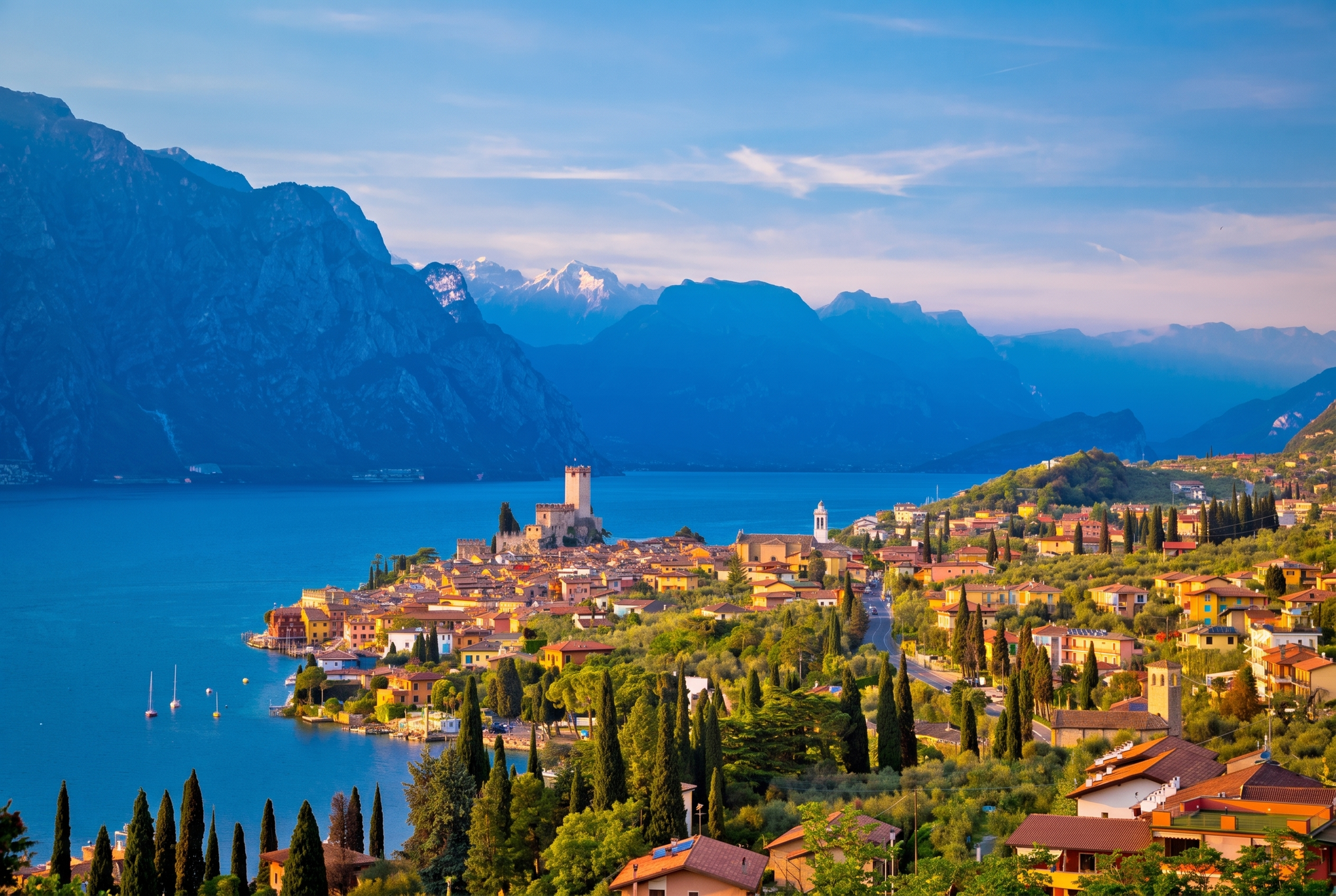
The region runs from Lake Garda east to the Adriatic and north into the Alpine foothills, and each style has its own patch. Prosecco's best vineyards climb steep hills around Conegliano and Valdobbiadene, where slopes and cool air give finer fizz; the flatter plains make the bulk. Soave grows east of Verona on hills of volcanic basalt and limestone, which lend the white its mineral bite. Valpolicella, north of Verona, has limestone hillsides ideal for its light red grapes, and cool, airy lofts where grapes are dried for months to make Amarone. Lake Garda moderates the western vineyards, while the Adriatic and Alpine air keep the whole region from overheating, which is what preserves the freshness in its whites and sparklers.
4. Grapes and Styles
Sparkling. Prosecco, from the Glera grape, is made by the tank method (second fermentation in a steel tank, keeping it fruity and fresh rather than yeasty). It is light, floral, with green apple and pear, from bone-dry to off-dry.
Whites. Soave, from Garganega, is dry, with white flowers, almond, and a mineral finish; hillside "Classico" versions have real depth.
Reds. Valpolicella is a light, cherry-fresh red for everyday drinking. Amarone is its opposite: made from grapes dried for months (a process called appassimento), it is powerful, dry, high in alcohol, with raisin and dark chocolate. Ripasso sits between the two, a Valpolicella re-fermented on Amarone's leftover skins for extra body. Recioto is the sweet dried-grape version.
5. Reading the Label
For sparkling, "Prosecco DOC" is the broad zone; "Conegliano Valdobbiadene Prosecco Superiore DOCG" is the top hillside tier, worth the step up. Sweetness terms matter and are counterintuitive: "Brut" is driest, "Extra Dry" is a bit sweeter, "Dry" is sweeter still. For Valpolicella, the ladder runs from "Valpolicella" to "Ripasso" to "Amarone" to sweet "Recioto," in rising order of intensity. "Classico" on Soave or Valpolicella marks the original hillside heartland, generally the better zone. "Amarone" always means the dry, powerful dried-grape red.
6. A Short History
Prosecco's explosion is recent and deliberate. In 2009 Italy reorganized the denomination, protecting the name by tying it to a defined region (and renaming the grape itself from "Prosecco" to "Glera" so the name couldn't be copied elsewhere). That legal move, plus a global thirst for affordable bubbles, turned Prosecco into one of the best-selling wines on earth and the Veneto into Italy's volume leader. Amarone's rise is quieter but real: once a semi-accidental byproduct of sweet Recioto, it became a prestige dry wine over the second half of the 20th century.
Did You Know? To protect the Prosecco name, Italy in 2009 renamed the grape itself. What had been called "Prosecco" is now officially "Glera," so that only wine from the defined northeastern zone can legally use the word Prosecco. The grape and the wine now have different names.
7. At the Table
Prosecco is the aperitif, light and fresh, and the base of the Aperol spritz and the Bellini (both Venetian inventions); serve it cold, about 45°F (7°C). Soave suits risotto, seafood, and lighter poultry, served at 48°F (9°C). Everyday Valpolicella pairs with pasta and pizza, lightly chilled. Amarone is a wine for rich food and cold evenings: braised meats, hard cheese, even on its own as a "meditation" wine. Serve it at about 64°F (18°C) and decant it; it can age 15 years or more. Prosecco and Soave are made to drink young.
Links
Regulatory body (Consorzio di Tutela della DOC Prosecco): https://www.prosecco.wine/en/
Regulatory body (Consorzio Tutela Vini Valpolicella): https://www.consorziovalpolicella.it/en/
Official tourism board: https://www.veneto.eu/home